Amigurumi Yarn Choice: Acrylic vs. Cotton Yarn
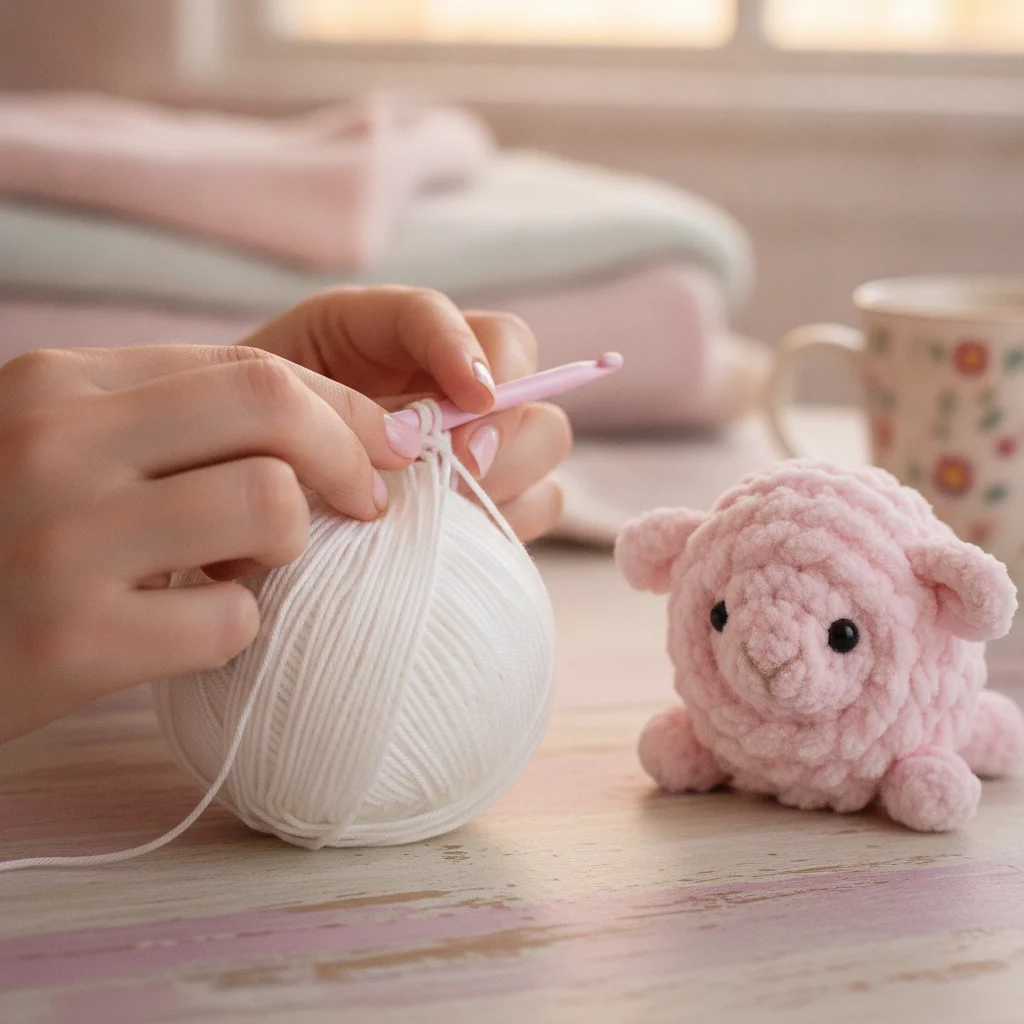
One of the most common decisions when making amigurumi toys is choosing the right yarn: acrylic or cotton? Both have their unique advantages and disadvantages. This post will help you make an informed decision.
Amigurumi Yarn Choice: Acrylic vs. Cotton Yarn
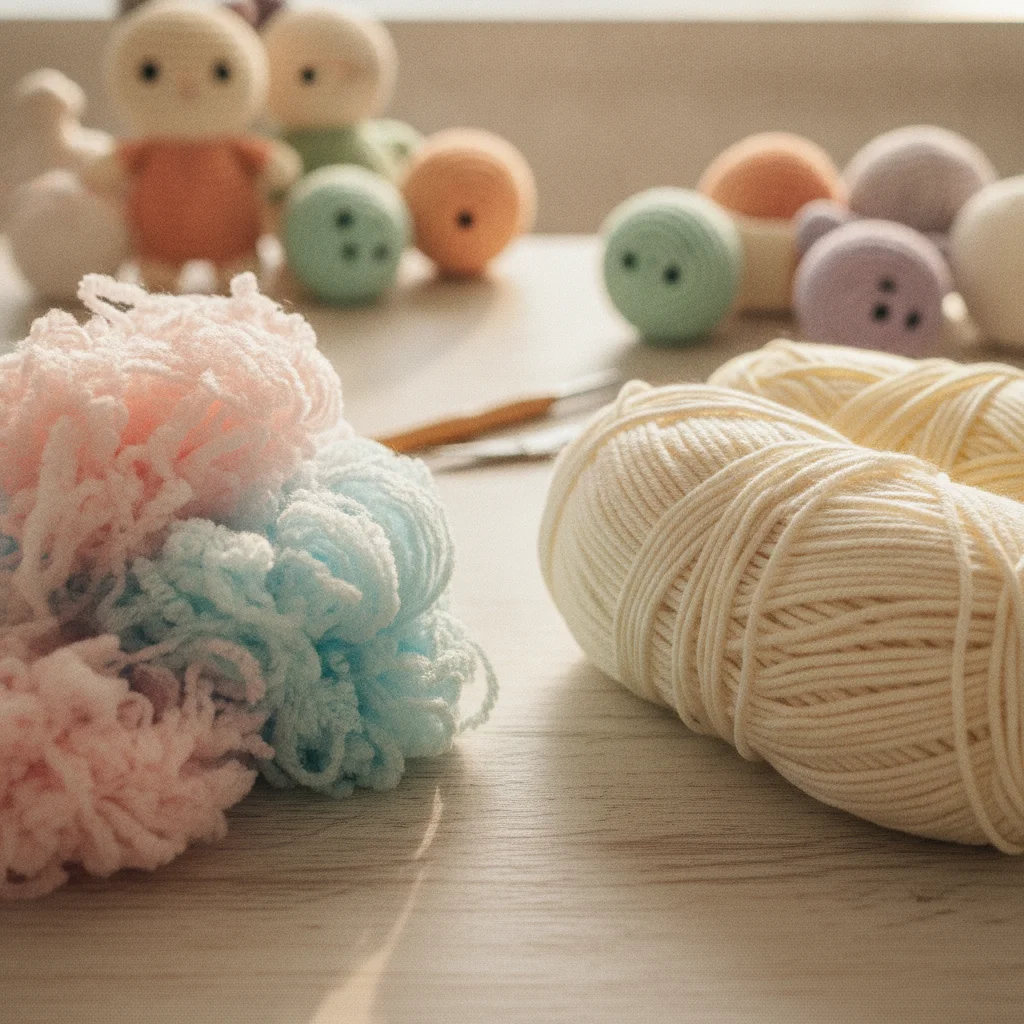
Stepping into the world of amigurumi or starting a new project often brings forth the initial question: which yarn should I choose? With so many options available, deciding between acrylic and cotton yarns can be particularly confusing. So, which one is better for your adorable amigurumi creations? Let's dive deep into both types of yarn and help you find the perfect match for your next project.
Acrylic Yarn: Pros and Cons
Acrylic yarn, a synthetic fiber, is a popular choice, especially for beginners and those looking for budget-friendly options.
Pros:
- Affordable: Generally more economical than cotton yarns, making it a great choice for larger projects or for those learning through trial and error.
- Wide Color Range: Acrylic yarns are available in a vibrant and extensive array of colors, offering plenty of scope to unleash your imagination and create colorful characters.
- Softness and Lightweight: They are typically very soft and light, which makes them appealing for baby blankets or wearable amigurumi pieces.
- Durability and Easy Care: Acrylic yarns are quite durable and can often be machine washed. They resist fading and maintain their shape well.
- Flexibility/Stretch: Their slightly stretchy nature makes them glide easily on the hook, which can be less strenuous for beginners.
Cons:
- Less Breathable: Being synthetic, it's not as breathable as cotton. This can be a drawback, especially in warmer climates or for toys that will be in prolonged contact with skin.
- Pilling: Over time and with use, acrylic yarn can pill or fuzz.
- Not Natural: It's not a natural fiber, which might be a deciding factor for some.
- Stitch Definition: Sometimes, it may not offer as crisp stitch definition as cotton, which can be noticeable in detailed patterns.
Tip: When choosing acrylic yarn, pay attention to its quality. Higher quality acrylics pill less and have a softer texture.
Cotton Yarn: Pros and Cons
Cotton yarn, a natural fiber, is a classic and much-loved option in the amigurumi world.
Pros:
- Natural and Breathable: As a natural fiber, cotton is breathable and ideal for babies or individuals with sensitive skin.
- Superior Stitch Definition: Cotton yarns typically provide very clear and neat stitches. This gives your amigurumi toys a professional and polished appearance.
- Durability: It's quite durable and resistant to frequent washing.
- Hypoallergenic: A safe choice for those with allergies.
- Weight and Drape: Can be heavier than acrylic, which gives amigurumi toys a nice, substantial feel and drape.
Cons:
- Less Stretch: It has less stretch compared to acrylic yarn, which can be more taxing on the hands during long crocheting sessions.
- Cost: Generally more expensive than acrylic yarns.
- Drying Time: Absorbs more water, so it can take longer to dry after washing.
- Color Range: Some brands might not offer as wide a color selection as acrylic.
- Heavier Finish: The finished project can be heavier than one made with acrylic.
Tip: When crocheting with cotton yarn, choosing the correct hook size ensures your stitches are tight and even.
Acrylic vs. Cotton Yarn Comparison
To help you better understand which yarn is more suitable for your project, let's compare their key characteristics in a table:
| Feature | Acrylic Yarn | Cotton Yarn |
|---|---|---|
| Raw Material | Synthetic (petroleum-based) | Natural (plant-based) |
| Price | More affordable | Generally more expensive |
| Softness | Often very soft and lightweight | Varies by texture, some can be stiff |
| Stretch | More stretchy | Less stretchy |
| Stitch Definition | Good, but may not be as crisp as cotton | Usually very clear and defined |
| Care | Machine washable, colorfast, dries quickly | Machine washable, longer drying time |
| Pilling | Can pill over time | Generally does not pill |
| Breathability | Less breathable | Very breathable |
| Ideal Use | Beginner projects, budget-friendly, large toys | Baby toys, detailed projects, allergy sufferers |
Which Yarn Should I Choose?
There's no definitive answer to this question because the best yarn depends on your project's specific requirements and your personal preferences.
- For Beginners: Acrylic yarn, with its more forgiving stretch and affordable price, is a fantastic starting point. It allows you to practice without fear of making mistakes.
- For Baby Toys and Sensitive Skin: Cotton yarn, being natural and hypoallergenic, is the best choice for babies and individuals with sensitive skin.
- For Detailed and Professional Look: Cotton yarn's crisp stitch definition gives amigurumi with intricate patterns a more finished and professional appearance.
- For Budget-Friendly Projects: Acrylic yarn is ideal when you want to keep costs low or plan to make a large number of toys.
- For Durability and Easy Care: Both yarns are durable, but acrylic dries faster and might be easier to care for. Cotton, however, withstands frequent washing over a long period.
Create Wonders with Both Yarns!
Remember, both types of yarn can yield wonderful results for your amigurumi projects. The key is to consider your project's purpose, who it's for, and your budget to make the most suitable choice. Over time, by experimenting with different yarns, you'll discover your own favorites.
Stay tuned for more content that will inspire you and teach new techniques on your amigurumi journey! Don't forget to share your adorable creations with us: @aylawangurumi.