Amigurumi Pattern Abbreviations Explained: Your Guide to Crochet Adventures
New to amigurumi? Deciphering patterns can be tricky. This guide explains common amigurumi abbreviations like "sc," "inc," "dec," and offers tips to confidently start your crochet journey.
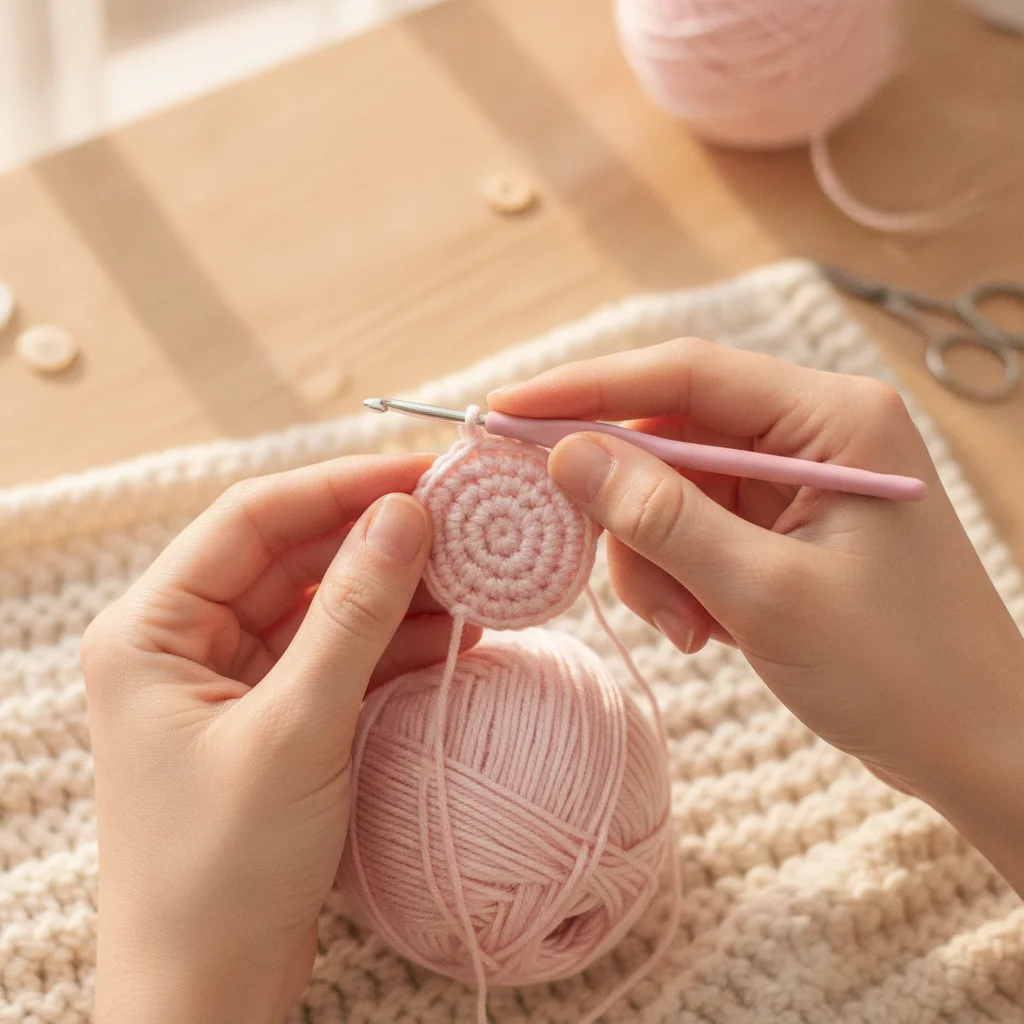
Welcome to the wonderful world of amigurumi! Crocheting stuffed toys is a wonderfully relaxing and enjoyable hobby. However, for beginners, reading amigurumi patterns can sometimes feel like deciphering a secret language. Abbreviations like "sc," "inc," and "dec" might seem confusing at first. Don't worry, you're not alone! This guide is designed to demystify amigurumi pattern abbreviations, giving you a strong foundation for your crochet adventures.
Amigurumi patterns use standard abbreviations to allow crocheters worldwide to communicate easily and to write patterns in a concise, understandable manner. Learning these abbreviations will not only help you read existing patterns but also greatly assist you when creating your own designs or sharing them with others. Ready? Let's grab our hooks and yarn and start learning the language of amigurumi!
Why Are Abbreviations Used?
The main reasons for using abbreviations in amigurumi patterns are:
- Space Saving: Patterns often contain lengthy and detailed instructions. Abbreviations make patterns shorter and more to-the-point.
- Universality: Crocheters around the world, despite speaking different languages, can understand patterns thanks to these standard abbreviations.
- Ease of Reading: For experienced crocheters, abbreviations allow for faster reading and following of patterns.
Essential Amigurumi Abbreviations and Their Meanings
Here are the most common abbreviations you'll encounter in amigurumi patterns, along with their English meanings:
| Abbreviation | English Term | Explanation |
|---|---|---|
| MR | Magic Ring | The adjustable loop used to start amigurumi, allowing a tight center. |
| ch | chain | The basic foundation chain stitch. |
| sl st | slip stitch | Used to join pieces, move yarn without adding height, or finish off. |
| sc | single crochet | The primary stitch used in amigurumi, creating a dense fabric. |
| inc | increase | Working two single crochets into the same stitch to add stitches. |
| dec | decrease | Working two single crochets together to reduce the stitch count. |
| hdc | half double crochet | A stitch taller than sc but shorter than dc. |
| dc | double crochet | A taller stitch used for larger, looser fabric. |
| tr | treble crochet | An even taller stitch than dc. |
| st | stitch | Refers to any single stitch. |
| sts | stitches | Refers to multiple stitches. |
| FO | fasten off | To cut the yarn and secure the last stitch, finishing the work. |
| BLO | back loop only | Working into only the back loop of the stitch. |
| FLO | front loop only | Working into only the front loop of the stitch. |
| sk | skip | To pass over a specified stitch or stitches without working into them. |
| yo | yarn over | To wrap the yarn around the hook. |
| rep | repeat | To perform the indicated step(s) again. |
| rnd | round | A complete circle in circular crochet. |
| row | row | A single line of stitches in flat crochet. |
| sp | space | Refers to a chain space or other space. |
| ( ) | Parentheses | Indicates a group of stitches to be worked a specified number of times. |
| [ ] | Brackets | Often used to indicate a subset of instructions within parentheses or alternative instructions. |
| x | times | Indicates how many times to repeat an action (e.g., (sc, inc) x 6). |
Understanding Parentheses and Brackets
You'll frequently see ( ) and [ ] symbols in patterns, which indicate how instructions should be applied.
- Parentheses ( ): Typically used to group a series of actions and indicate that this group should be repeated a certain number of times. For example, "(sc, inc) x 6" means you should repeat the sequence of one single crochet and one increase 6 times. The number at the end of the parentheses also indicates how many stitches you should have at the end of that round. For instance, "Rnd 1: 6 sc in MR (6)" means after crocheting 6 single crochets into the magic ring, you will have a total of 6 stitches.
- Brackets [ ]: Sometimes used to specify a subset of an instruction within parentheses or to show alternative instructions. They are rarely used alone.
Tip: Before you start reading a pattern, check the list of abbreviations used within that specific pattern. Some designers might use their own unique abbreviations.
Tips for Reading Amigurumi Patterns
- Stay Calm and Take Your Time: Especially at first, remembering what each abbreviation means can take some time. Keep a reference chart handy.
- Check Each Round: Verifying the stitch count at the end of each round (usually indicated in parentheses or at the end of the line) prevents errors and ensures your project progresses correctly.
- Use Stitch Markers: Crochet stitch markers are vital for identifying the beginning of rounds or important stitches. They are especially helpful in circular crochet to keep track of where you started.
- Practice Makes Perfect: The best way to learn abbreviations is by practicing with them. Start with a simple amigurumi pattern and work your way through it step by step.
Enjoy Your Crocheting with Abbreviations!
Now you have a great starting point for deciphering the "secret language" of amigurumi patterns. Remember, everyone starts somewhere, and every new stitch you learn makes you a more experienced crocheter. As you understand these abbreviations, your confidence will grow, and you won't hesitate to tackle more complex projects.
We're happy to guide you on your crochet journey! For more tips, patterns, and inspiration, don't forget to follow us on Instagram: @aylawangurumi. Happy crocheting!