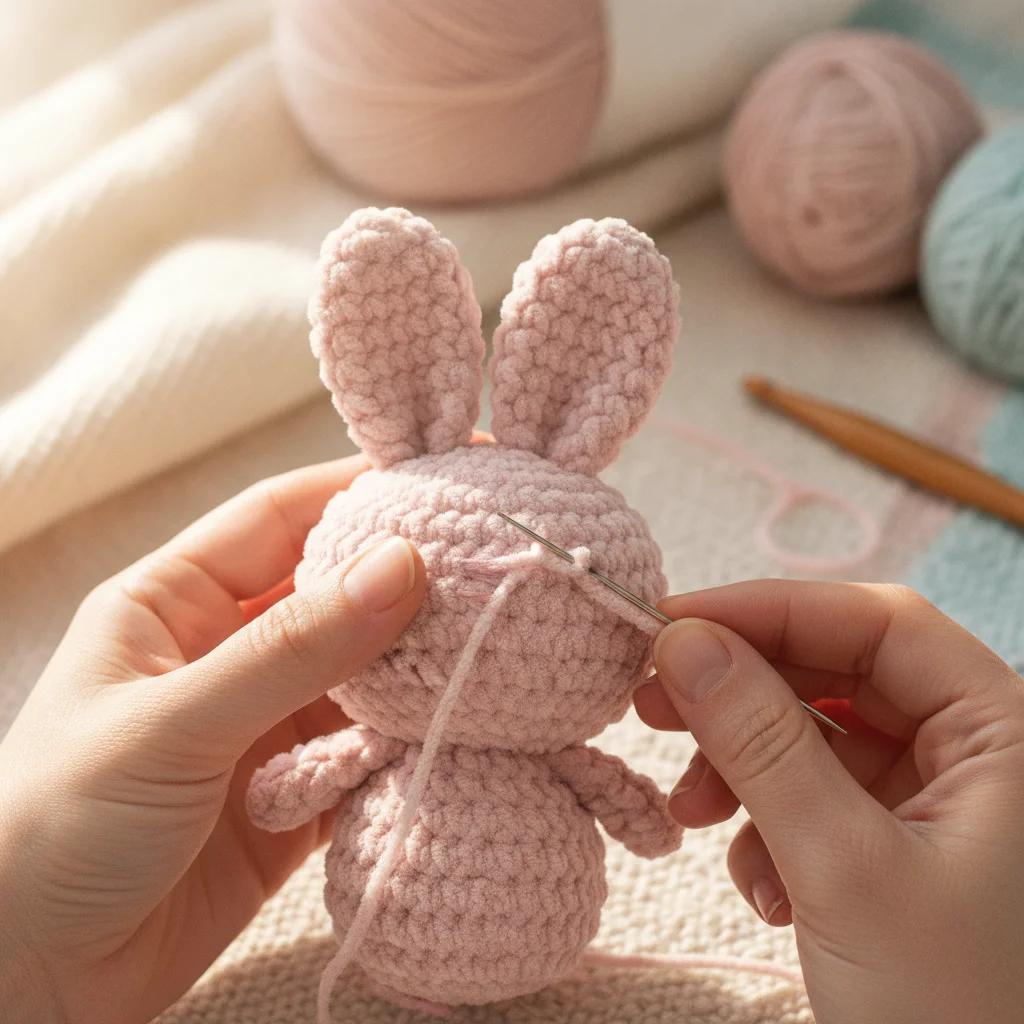
Choosing the Right Tapestry Needle and Thread for Amigurumi: The Perfect Finishing Touch
For perfect finishing touches in your amigurumi projects, choosing the right tapestry needle and thread is crucial. In this post, you'll discover the best materials and tips to make joining pieces easier.
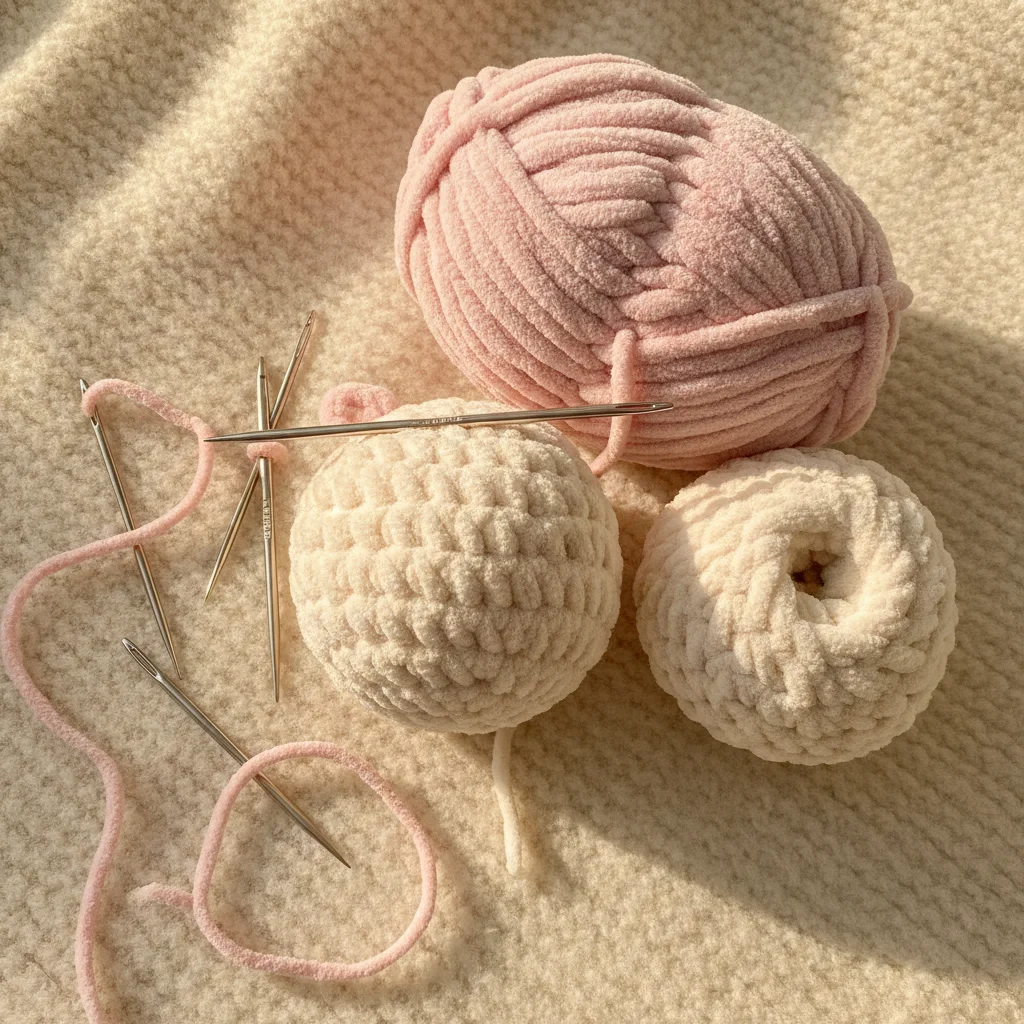
Choosing the Right Tapestry Needle and Thread for Amigurumi: The Perfect Finishing Touch
Crocheting amigurumi is like an art form; every stitch, every color choice is part of the story. However, the true beauty and durability of an amigurumi toy often lie in its assembly and finishing touches. Selecting the correct tapestry needle and thread directly impacts how professional and sturdy your project will look. In this post, we'll delve into the essential sewing materials and selection criteria for achieving flawless finishes in the world of amigurumi.
Amigurumi Tapestry Needles: Why the Right Needle Matters So Much
The needle we use to join amigurumi pieces significantly affects the project's appearance and durability. Unlike crochet hooks, tapestry needles are generally thicker and have different tip structures.
1. Tip Structure: Blunt vs. Sharp?
- Blunt-Tip Needles (Tapestry Needles / Yarn Needles): These are definitely the needles to choose for amigurumi. Their blunt tips easily pass between yarn fibers rather than splitting them, preventing damage to your crochet work and resulting in neater seams. They also reduce the risk of pricking your fingers.
- Sharp-Tip Needles: Primarily used for fabric sewing. In amigurumi crochet, they can pierce and split yarn fibers, weakening them and creating undesirable gaps. Therefore, they are not recommended for amigurumi.
Tip: Blunt-tip needles allow you to easily navigate between yarn fibers, especially when joining tightly crocheted amigurumi pieces, helping your seams appear more "invisible."
2. Material: Metal vs. Plastic?
- Metal Needles: Generally more durable and have a smoother surface. This allows the yarn to glide through the fabric more easily. They are available in various thicknesses and lengths. Metal needles perform better, especially with tightly crocheted pieces or thicker yarns.
- Plastic Needles: Usually more affordable and suitable for children's use. However, due to their flexible nature, they can bend or break over time. They might be suitable for looser stitches or yarns with larger holes.
3. Size and Thickness: Choose a Needle that Matches Your Yarn
The size of your tapestry needle should be appropriate for the thickness of the yarn you are using. The eye of the needle should be wide enough for your yarn to pass through comfortably, but the needle itself should also be thick enough to hold your yarn securely. A very thin needle might struggle with thick yarn, while a very thick needle could create large holes in your delicate crochet work. Often sold in sets, different-sized needles offer flexibility for all your projects.
Amigurumi Sewing Thread: Which Thread Should We Use for Sewing?
Choosing which thread to sew with is just as important as selecting the sewing needle. Here are a few key points:
1. Sewing with the Main Yarn
The most common and best way to join amigurumi pieces is to use a piece of the main yarn you used to crochet the toy. This ensures that the seams are virtually invisible and maintains the textural integrity of the finished product. Typically, a long yarn tail is left after crocheting a piece, and this tail is used for sewing.
2. Using a Different Thread: When and Why?
In some cases, you might consider using a different sewing thread instead of the main yarn:
- Small Details: For very small details, such as sewing on eyes or noses, embroidery floss or thinner sewing threads might be preferred. These threads allow you to create fine details more distinctly.
- Securing and Reinforcing: To secure stuffing inside the toy or reinforce a specific point, a durable and thin sewing thread can be useful. However, this applies to parts that are not visible from the outside.
- Color Matching: If the pieces you are sewing are different colors and you want the seam to be invisible, you might consider using a neutral color (e.g., cream or light gray) that blends with both tones, or even clear nylon thread. However, the general rule is always to use the main yarn.
Tip: When joining amigurumi pieces, always try to use the same yarn you crocheted with. This helps your seams become virtually invisible and makes your toy look more professional.
3. Thread Quality and Fiber Structure
The quality of the sewing thread you use affects the durability of your amigurumi toy. The fiber structure, such as cotton, acrylic, or wool, determines how the seam will hold up over time. Generally, it's best to stick to the type of yarn you used for the toy itself. This ensures consistent performance during washing and use.
Sewing Techniques and Tips
Even with the right materials, the sewing process requires some practice. Here are a few additional tips:
- Leave Long Yarn Tails: When crocheting pieces, make sure to leave a sufficiently long yarn tail (usually 30-40 cm or 12-16 inches) for sewing. Having to add yarn in the middle of a seam can spoil its appearance.
- Match Stitches: When joining pieces, try to match each stitch with its corresponding stitch. This ensures your seam is neat and symmetrical.
- Snug but Not Tight Seams: Pull your stitches tight enough so there are no gaps, but be careful not to pull the yarn too much, otherwise your crochet work might pucker or tear.
- Mind the Stuffing: When sewing pieces, be careful not to let the stuffing poke out of the seam line. Try to avoid piercing the stuffing with your needle.
Conclusion
Choosing the right tapestry needle and thread for your amigurumi projects ensures that your hard work pays off and that your finished products are of a quality you can be proud of. Blunt-tip metal needles and using the main yarn you crocheted with generally yield the best results. Remember, with practice, your sewing skills will also improve. Happy crocheting!
For more tips and inspiration from the world of amigurumi, don't forget to follow us on Instagram: @aylawangurumi.