Choosing the Best Stuffing Material for Your Amigurumi Toys
Choosing the right stuffing material is crucial for extending the life of your amigurumi toys and giving them the plump look they deserve. Polyester fiberfill is generally the best choice for its practicality and…
Crocheting amigurumi is a joyful journey, and the final touch to every patiently stitched creation is stuffing it. But what should we use to fill these adorable little friends? Choosing the right stuffing material ensures your toy maintains its shape, durability, and safety. This choice becomes even more crucial when crocheting for children. Let's explore the world of amigurumi stuffing materials together and find the perfect option for your next project.
Polyester Fiberfill: The Most Popular Choice
The most common and generally best option for amigurumi is polyester fiberfill, often simply called "polyfill."
- Advantages:
- Lightweight and Voluminous: Gives the toy a full, plush look without adding much weight.
- Washable: Can be machine washed and dries quickly, making it hygienic and easy to care for.
- Hypoallergenic: Low likelihood of causing allergies, making it ideal for children and sensitive individuals.
- Shape Retention: Its resilient structure helps the toy maintain its shape for a long time and prevents sagging.
- Affordable and Accessible: Widely available and generally cost-effective.
- Disadvantages:
- Being a synthetic product, some may prefer natural alternatives.
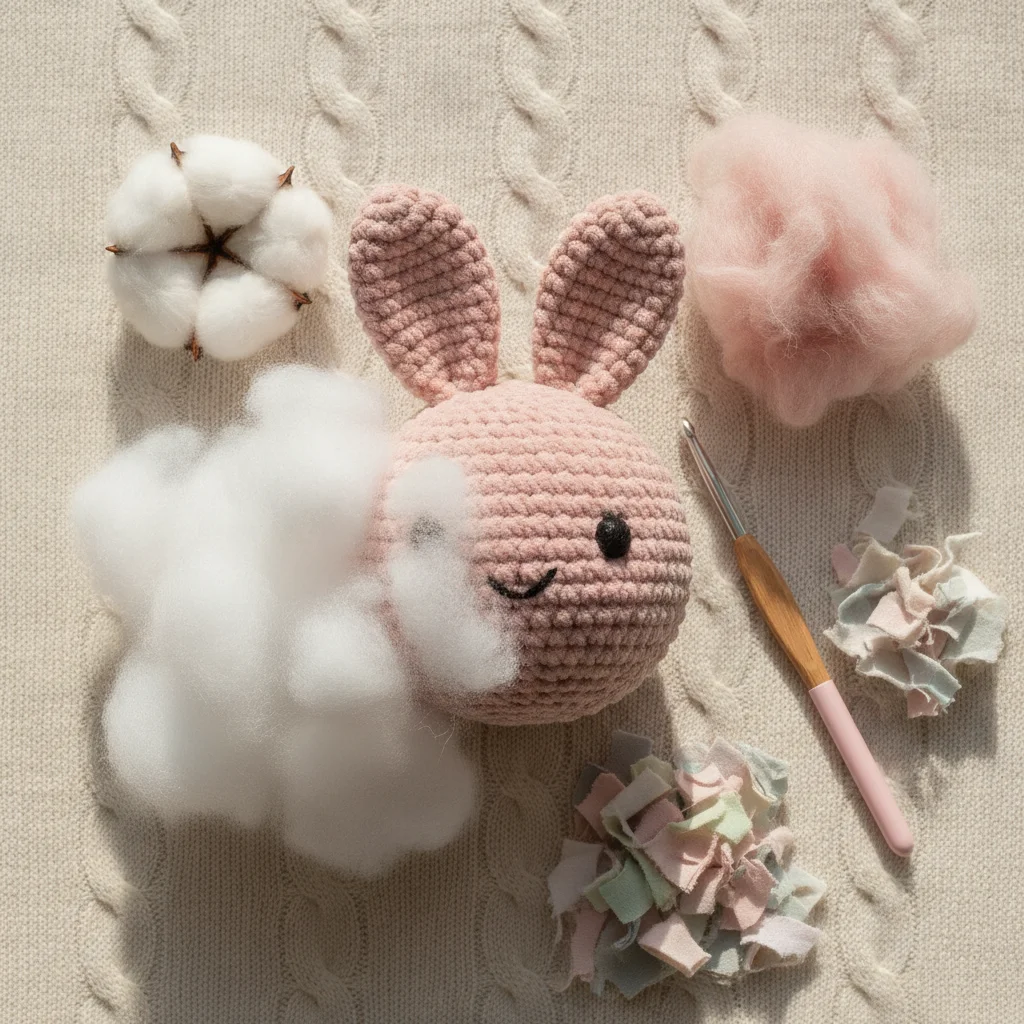
Natural Fiber Alternatives: Cotton and Wool
For those who prefer working with natural materials, options like cotton and wool are available.
- Cotton Stuffing:
- Advantages: Completely natural, with a soft texture.
- Disadvantages: Not as voluminous as polyester, can clump over time, and takes longer to dry after washing. There's also a risk of mildew if exposed to moisture.
- Wool Stuffing:
- Advantages: Offers a very soft, natural feel and insulates heat well.
- Disadvantages: More expensive than polyester and can cause allergic reactions in some individuals. It may felt or lose shape when washed, so dry cleaning is often recommended.
Eco-Friendly Options: Recycled Fiberfill and Fabric Scraps
For those prioritizing sustainability, recycled materials offer a great alternative.
- Recycled Polyester Fiberfill: Made from recycled plastic bottles, it offers all the advantages of regular polyester fiberfill while being more environmentally conscious.
- Fabric Scraps/Yarn Ends: You can also use small fabric scraps or leftover yarn pieces as stuffing. However, this method can make the toy heavy and result in an uneven shape. It's more suitable for small, tightly stuffed parts. For larger toys, it can create lumps.
Weighted Stuffing Materials: Pellets and Beads
For some amigurumi toys, especially sitting or standing figures, you might want to add weight. Special stuffing pellets or beads are used for this purpose.
- Types: Plastic pellets (polipropylene), glass beads, or natural materials like rice/beans can be used.
- Safety Warning: Especially for toys made for children, it's crucial that pellets are securely sewn into a sturdy fabric bag or sock inside the toy. Otherwise, if the toy tears, small pieces could pose a choking hazard. It's safest to avoid using pellets for very young children.
Safety and Hygiene When Choosing Stuffing
Since amigurumi toys often end up with children, safety and hygiene should be top priorities when selecting stuffing material.
- Child Safety:
- Choking Hazard: If using small pellets or beads, ensure they cannot escape the toy. Sewing them into a sturdy fabric pouch inside is the best method.
- Non-Toxic Materials: Make sure the material you use is non-toxic if children put it in their mouths. Polyester fiberfill is generally safe in this regard.
- Allergies: Polyester fiberfill is hypoallergenic and generally poses no allergy risk. Natural fibers like wool, however, can cause allergic reactions in some individuals.
- Washability: For maintaining the hygiene of toys, washability is important. Polyester fiberfill is very advantageous in this regard. Cotton and wool may require more careful washing and drying.
Amigurumi Stuffing Tips
Just as important as choosing the right stuffing material is stuffing your toy correctly.
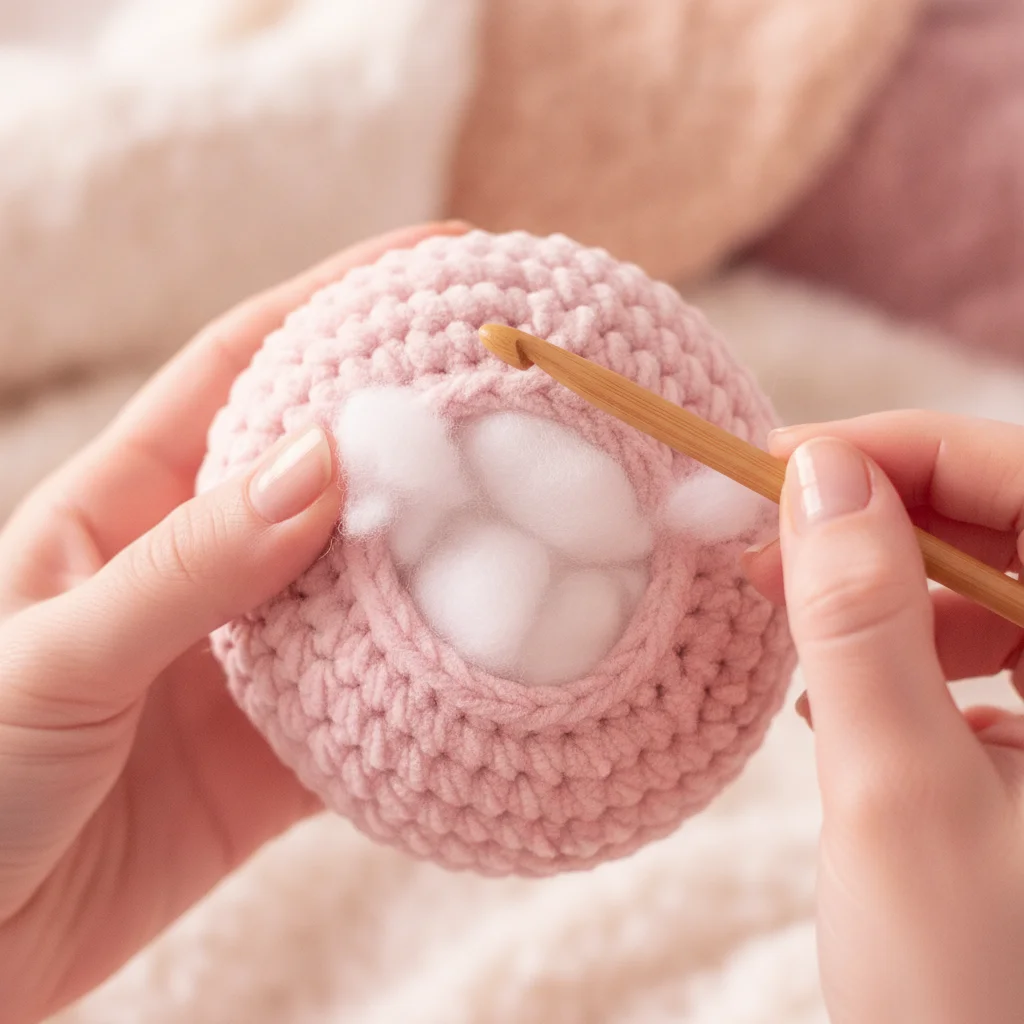
- Stuff Evenly and Firmly: Distribute the stuffing material evenly into every part of the toy. Ensure that the head and limb sections are fully stuffed.
- Prevent Lumps: Instead of stuffing in large chunks, pull the fiberfill apart into small pieces and fluff it well before inserting. This prevents lumps and creates a smoother surface.
- Use Stuffing Tools: You can use a stuffing tool, a crochet hook, or even a pencil to reach small and narrow areas (like fingers or ears).
- Maintain Shape: Be careful not to distort the toy's original shape while stuffing. Gently press from the outside to shape it as needed.
- Appropriate Firmness: Avoid making the toy too soft or too hard. A well-stuffed amigurumi should retain its shape when gently squeezed but still feel soft.
Ayla's Tip: When stuffing larger parts like the head, stuff the neck area extra firmly to prevent the head from flopping.
Conclusion: Choosing the right stuffing material is crucial for extending the life of your amigurumi toys and giving them the plump look they deserve. Polyester fiberfill is generally the best choice for its practicality and reliability. However, you can also consider natural or eco-friendly alternatives. The important thing is to consider who the toy is for and how it will be used, making the safest and most suitable choice.
For more tips and inspiration, don't forget to follow us on Instagram: @aylawangurumi!