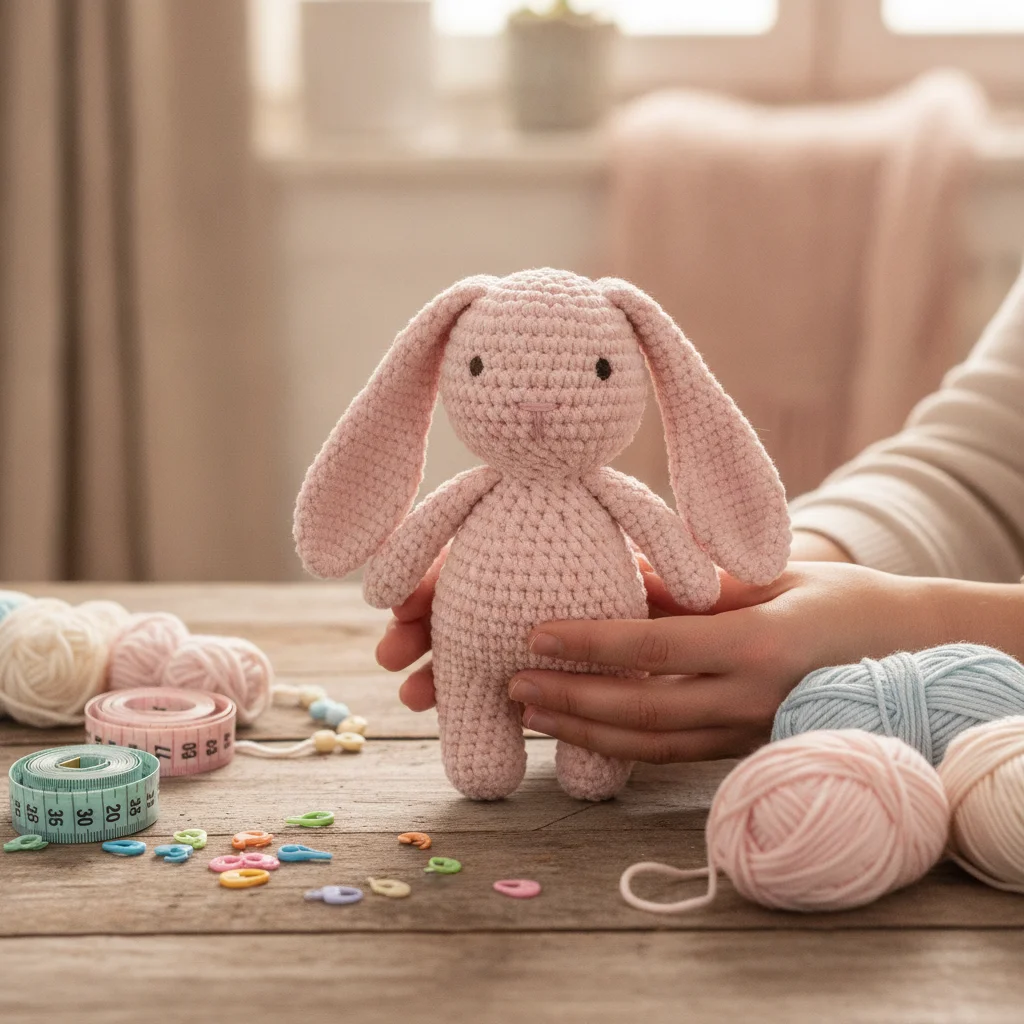
How to Price Your Handmade Amigurumi Fairly: Valuing Your Craft
Struggling to set the right price for your handmade crochet toys? Learn how to calculate material costs, labor, and profit margins with our practical guide.
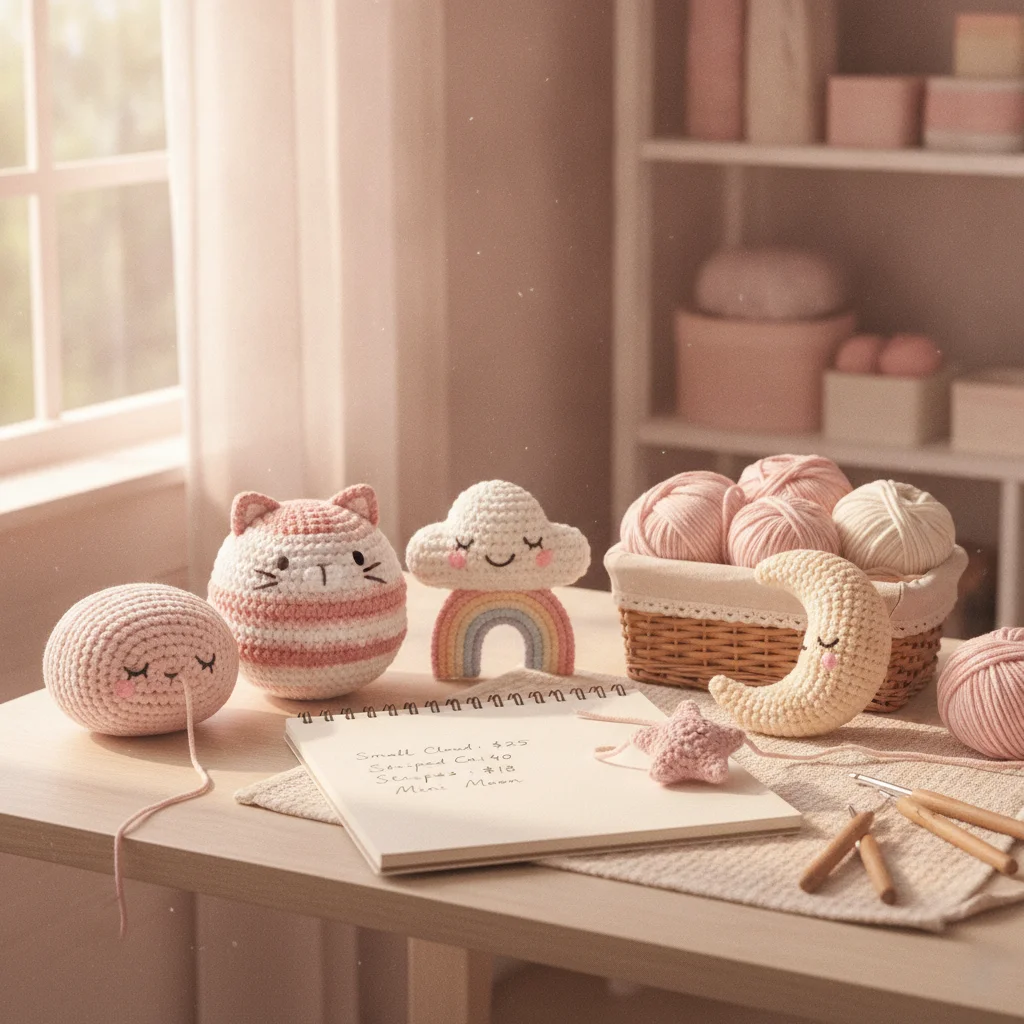
Why Is Pricing Handmade Craft So Challenging?
A few skeins of soft yarn, a crochet hook, and hours of love woven into every single stitch... The feeling of accomplishment when finishing a handmade amigurumi toy is unmatched. Yet, when asked that one common question, many makers hesitate: "How much does this cost?"
Pricing handmade items can feel daunting, especially for beginner and intermediate crocheters. Feeling shy about asking for what your work is worth or worrying about customer reactions is completely natural. However, it is essential to remember that amigurumi is not just a mass-produced toy—it is a piece of art.
In this guide, we will break down a step-by-step, fair pricing strategy that respects your time and turns your passion into a sustainable practice.
1. Calculate All Material Costs Accurately
The first and most objective step in pricing is calculating every physical item used to create the piece. While yarn is the obvious cost, smaller details can accumulate quickly.
Materials to include in your formula:
- Main Yarn: Calculate the cost based on the exact weight used.
- Fiberfill Stuffing: The weight of safety-tested toy stuffing.
- Safety Eyes & Embellishments: Safety eyes, embroidery floss, ribbons, or buttons.
- Packaging & Branding: Gift boxes, tissue paper, thank-you cards, branding stickers, and mailers.
- Platform Fees: Transaction and listing fees if you sell online (Etsy, Shopify, etc.).
Pro Tip: If you used half a skein of yarn, divide the total skein cost by two. Do not guess—track your material usage for consistent results.
2. Value Your Time and Skill
The most common mistake makers make is treating their labor as free. The hours you spend crafting represent your skill, focus, and creativity. Assign yourself a reasonable hourly wage.
You can start by using your local minimum hourly rate as a baseline, and adjust upwards as your experience and skill level grow.
$$\text{Labor Cost} = \text{Hours Spent} \times \text{Hourly Rate}$$
For example, if a detailed plush bunny takes 4 hours to crochet, assemble, and finish, and your hourly rate is $15, your labor cost is $60.
3. The Core Pricing Formula
A widely trusted formula in the handmade craft community looks like this:
$$\text{Retail Price} = (\text{Material Cost} + \text{Labor Cost}) \times \text{Profit Margin (1.2 - 1.5)}$$
Example Pricing Breakdown:
| Item | Amount (Example) |
|---|---|
| Material Costs (Yarn, eyes, stuffing, pack) | $10 |
| Labor (4 Hours × $15/hr) | $60 |
| Total Base Cost | $70 |
| Final Retail Price (+25% Margin) | $87.50 |
| Suggested Retail | ~$88 - $90 |
The added profit margin allows you to reinvest in your business—replacing worn hooks, purchasing new patterns, or taking courses to sharpen your craft.
4. Don't Forget Overhead Expenses
Even when crafting from home, small overhead costs exist: electricity, pattern purchase fees, photography props, and time spent managing social media. Adding a small buffer (e.g., 5-10%) to your base cost helps cover these hidden expenses.
Overcoming "Emotional Pricing"
Avoid looking at your finished piece and thinking, "I wouldn't pay that much for this." You are not your target customer. Your target audience consists of people who value unique, handmade, high-quality, and safe items made with genuine care.
Trust your craft and stand by your pricing. Fair pricing is the key to enjoying your crochet journey without burnout.
For charming patterns, helpful tips, and daily crochet inspiration, follow us on Instagram at @aylawangurumi and become part of our creative community!