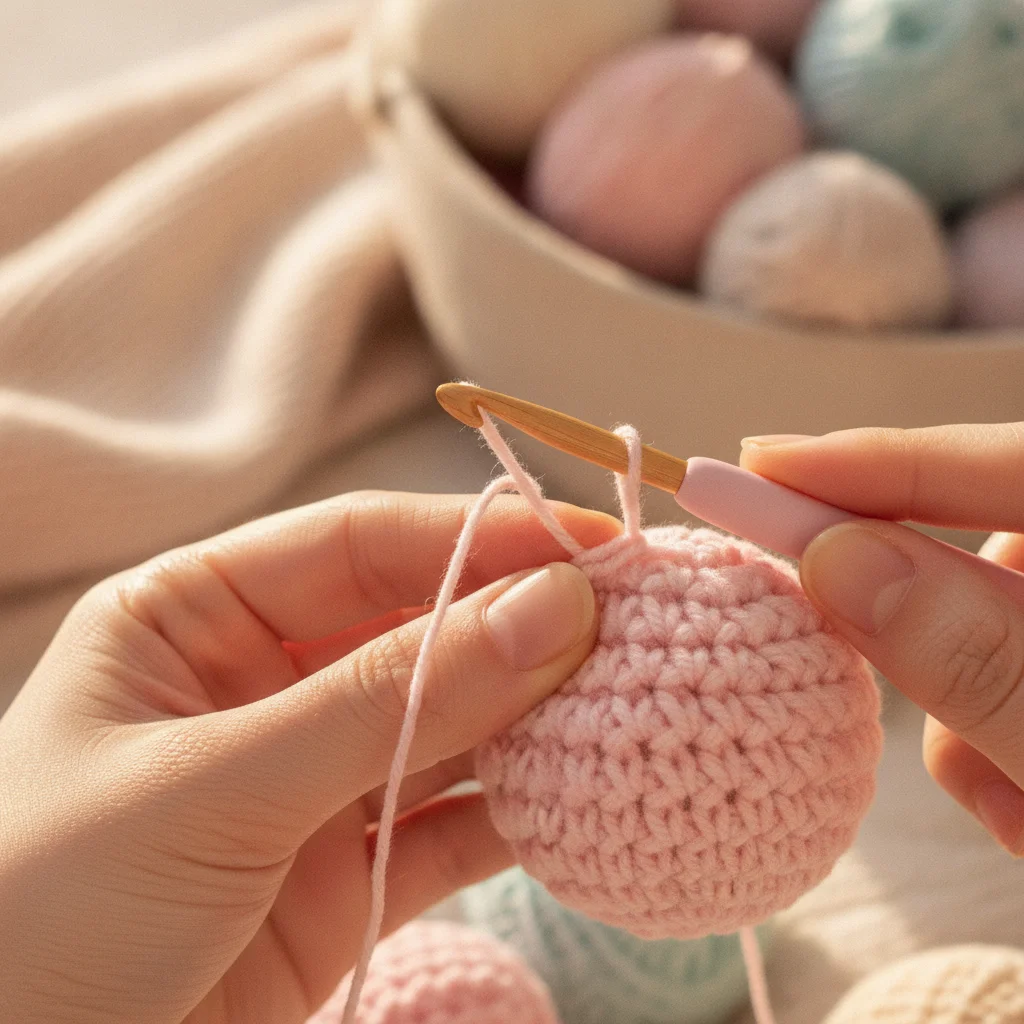
Mastering Amigurumi Tension: The Secret to Perfect, Even Stitches
Ever wonder why your amigurumi stitches are sometimes too loose, sometimes too tight? Learn the secrets to achieving perfect tension for flawless amigurumi creations.

Mastering Amigurumi Tension: The Secret to Perfect, Even Stitches
Welcome to the wonderful world of amigurumi! One of the most common challenges crafters face when making these adorable stuffed toys is getting the stitch tension and tightness just right. Perhaps your stitches are too loose, allowing the stuffing to peek through, or maybe you're crocheting so tightly that your hands ache, making it impossible to finish. Don't worry, you're not alone! In this post, we'll explore step-by-step how to achieve perfect tension in amigurumi.
Why is Tension Important?
Amigurumi is typically crocheted with tight stitches to prevent the stuffing from showing through. The correct tension ensures your project maintains its shape, is durable, and looks aesthetically pleasing.
- Loose Tension: Gaps appear between stitches, the stuffing becomes visible, and the toy might look saggy and less durable.
- Too Tight Tension: Crocheting becomes difficult, your hands get tired, counting stitches and inserting your hook becomes a struggle, and the fabric turns out stiff and inflexible.
Ideal tension means your stitches are neat, even, and tight enough, but still offer enough flexibility for you to comfortably insert your hook.
Factors Affecting Tension
Tension isn't dependent on a single factor; it's a combination of several variables:
- Yarn Choice: The material, weight, and texture of your yarn directly impact tension. Cotton yarns are generally less elastic, while acrylics offer a bit more give.
- Hook Size: The size of your hook determines how large or small your stitches will be. For amigurumi, it's common to use a hook one or two sizes smaller than what's recommended on the yarn label.
- Your Crocheting Style: Everyone has a unique crocheting style. Some people naturally crochet tightly, while others crochet more loosely. This can change over time with practice.
- Your Mood and Physical State: Your tension can change when you're stressed or tired. This might sound surprising, but it's true!
Tips for Achieving Perfect Tension
Here are practical tips to help you find that ideal tension in your amigurumi projects:
1. Choosing the Right Hook Size
The general rule for amigurumi is to use a crochet hook smaller than what the yarn label suggests. For example, if your yarn recommends a 3.5 mm hook, trying a 2.5 mm or 3.0 mm hook for amigurumi is a good starting point.
Tip: Always start by crocheting a small swatch. Make a small circle or square and test it with stuffing. If the stuffing isn't visible and the fabric isn't too stiff, you might have found the right hook size.
2. How You Hold Your Yarn
How you thread the yarn through your fingers is one of the biggest factors affecting tension. Experiment with different holding techniques to find what works best for you:
- Wrapping Around Your Finger: Wrapping the yarn once or twice around your index finger is a common method to increase tension. The more wraps, the tighter it gets.
- Weaving Through Fingers: Passing the yarn between your pinky, ring, and middle fingers, then over your index finger, can provide a softer tension.
- Tension Aids: Some crocheters use tension rings or yarn guides to reduce finger fatigue and maintain more consistent tension.
Tip: Make sure the hand holding the yarn isn't tensing up. A relaxed grip leads to more consistent tension.
3. Breathe and Relax
While crocheting, check that your shoulders and hands aren't tense. Tension can unconsciously lead you to crochet more tightly. Take regular breaks and stretch your hands and fingers.
4. Practice and Observe
The best way to achieve consistent tension is through practice. With each new project, pay attention to your tension during the first few rounds. Notice how it feels and how your stitches look.
- Too Loose? Wrap the yarn more tightly around your finger or try a smaller hook size.
- Too Tight? Hold the yarn more loosely, reduce the wraps on your finger, or try a larger hook size.
5. Use the Same Brand and Type of Yarn
When starting a project, try to use the same brand and type of yarn throughout. Different yarns can yield different tensions, even with the same hook size.
Conclusion
Finding the perfect tension in amigurumi is a process that might require some trial and error. Remember, this isn't a race but a joyful journey. Be patient, experiment with different techniques, and find what works best for you. With time, you'll develop a wonderful harmony between your hands and hook, creating flawless stitches in every project.
We'd love to accompany you on your amigurumi journey! Don't forget to follow us on Instagram for more inspiration and tips: @aylawangurumi. Happy crocheting!