Choosing Amigurumi Color Palettes: Bring Your Toys to Life
Choosing the right color palette is one of the most beautiful ways to infuse soul into your amigurumi toys. In this post, you'll explore everything from basic color theory to inspiration sources, learning the secrets…
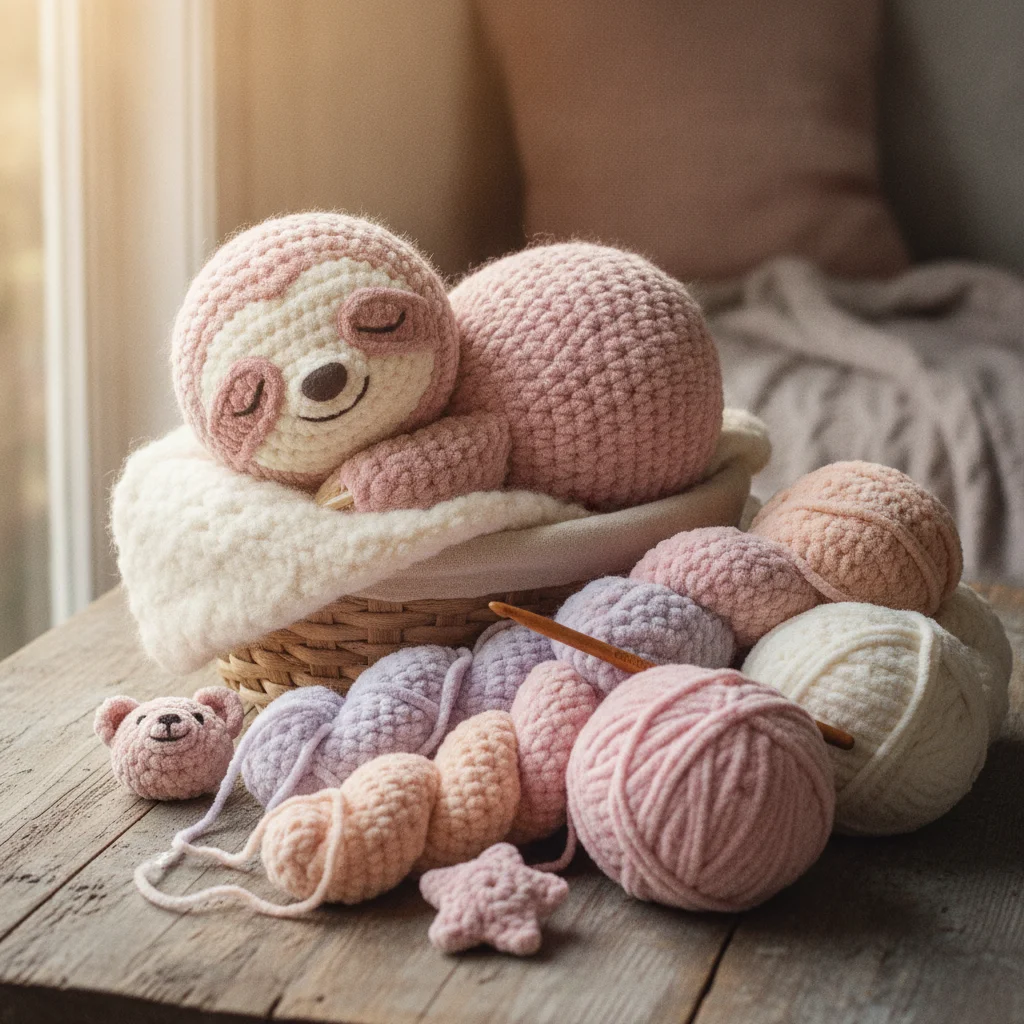
Amigurumi is more than just making stitches; it's a delightful way to infuse soul into each toy and bring your imagination to life with colors. The colors you choose directly influence your toy's personality, mood, and charm. While it might feel overwhelming to navigate this riot of colors at first, don't worry! In this post, we'll explore step-by-step how to create the perfect color palette for your amigurumi projects.
A Quick Look at Color Theory
Color theory might sound complex, but what you need to know for amigurumi is quite simple and practical:
- Primary Colors: Red, Blue, Yellow. They form the basis of all other colors.
- Secondary Colors: Formed by mixing primary colors: Purple (red + blue), Green (blue + yellow), Orange (red + yellow).
- Tertiary Colors: Obtained by mixing a primary and a secondary color (e.g., Red-Orange, Blue-Green).
- Complementary Colors: These are colors opposite each other on the color wheel (e.g., Red-Green, Blue-Orange, Yellow-Purple). When used together, they create a vibrant and striking contrast, adding energy to your toy.
- Analogous Colors: These are colors that are next to each other on the color wheel (e.g., Blue, Blue-Green, Green). They offer a harmonious and calm feel, often providing a natural and peaceful look.
- Monochromatic Palette: Different shades, tints, and tones of a single color (e.g., light blue, medium blue, dark blue). It provides a chic, sophisticated, and cohesive look.
Tip: Don't hesitate to use a color wheel as a guide for your amigurumi projects. Even a simple color wheel can give you ideas for wonderful combinations!
Where Can You Find Inspiration?
When choosing a color palette, look around you for inspiration. The world is a treasure chest full of colors!
- Nature: The warm tones of a sunset, the greens and browns of a forest landscape, a vibrant flower garden... Mimicking nature's inherent harmony always yields beautiful results.
- Photos and Artworks: A painting you admire, an illustration, a fashion design, or an interior design photograph can be a great starting point. Identify the main colors and accent colors in these visuals to build your own palette.
- Seasons and Themes: The warm oranges and reds of autumn, the whites and icy blues of winter, the pastel tones of spring, or a specific holiday theme (orange-black-purple for Halloween, red-green-gold for Christmas) can guide your choices.
- Your Child's Favorite Colors: If you're crocheting for a child, using their favorite colors will make the toy even more special and personal. This can also be a fun collaborative creation process.
- The Character Itself: The real-life colors of the animal or character you're crocheting (e.g., orange and white for a fox) or the colors of a fantastical creature (like green and purple for a dragon) provide a natural starting point.
Tips and Tricks for Building Your Palette
Here are some practical tips to help you with color selection:
- Start with a Main Color: Begin by selecting a color that will form the largest part of your toy or be the most prominent. Build other colors around it. This establishes the foundation of your palette.
- The Power of Neutrals: Neutral colors like white, cream, grey, beige, or light brown allow other vibrant colors to shine and add balance to your palette. Especially if you're using multiple bright colors, a neutral color acts as a harmonizer.
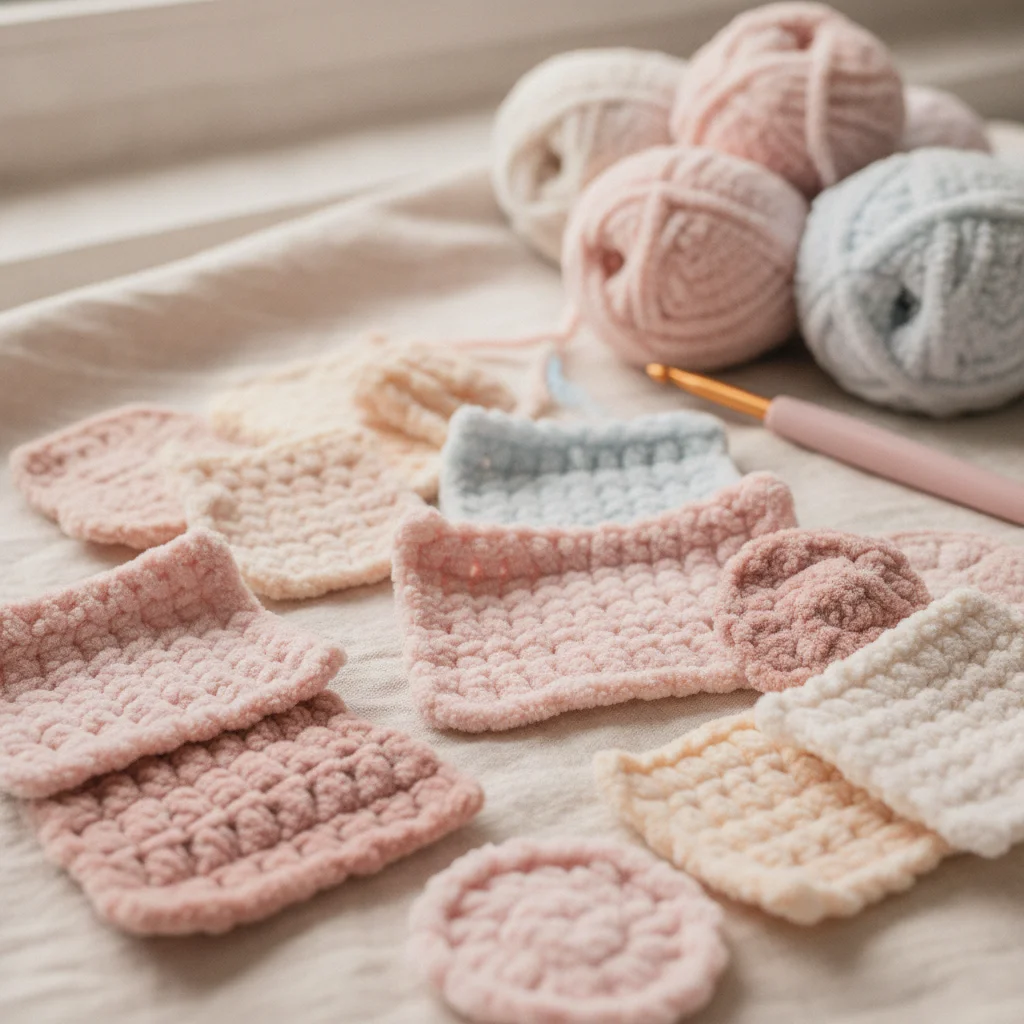
- Don't Be Afraid to Experiment: You can crochet small swatches or simply place yarn skeins next to each other to see how they look. It's important to observe how colors appear under different lighting (daylight, artificial light). A small amount of yarn is usually enough for a swatch.
- Texture and Thickness: Yarns with different textures or thicknesses can look different even if they are the same color. Thick, fluffy yarns might make a color appear more intense, while thinner yarns can create a more delicate effect. Consider this when choosing your palette.
- The 3+1 Rule: Generally, 3 main colors and 1 accent color, or 2 main colors and 1-2 supporting colors, create a good balance. Using too many colors can make the toy look busy and overwhelming. Simplicity is often more effective.
- Reflect Your Personal Style: Most importantly, the colors you choose should appeal to you and add a personal touch to your project. Don't be afraid to discover your own style and listen to your inner voice. Remember, this is your creation!
Tip: If you're feeling indecisive, start by picking your 3-4 favorite colors and test their harmony together. Sometimes the simplest combinations can be the most beautiful.
Conclusion
The world of amigurumi colors holds endless potential. Remember that with every stitch, you're telling a story, so adorn that story with the most beautiful colors. Experiment, have fun, and enjoy creating your own unique color palettes. Every new project is a new opportunity to dance with colors!
For more inspiration and crochet tips, don't forget to follow us on Instagram: @aylawangurumi