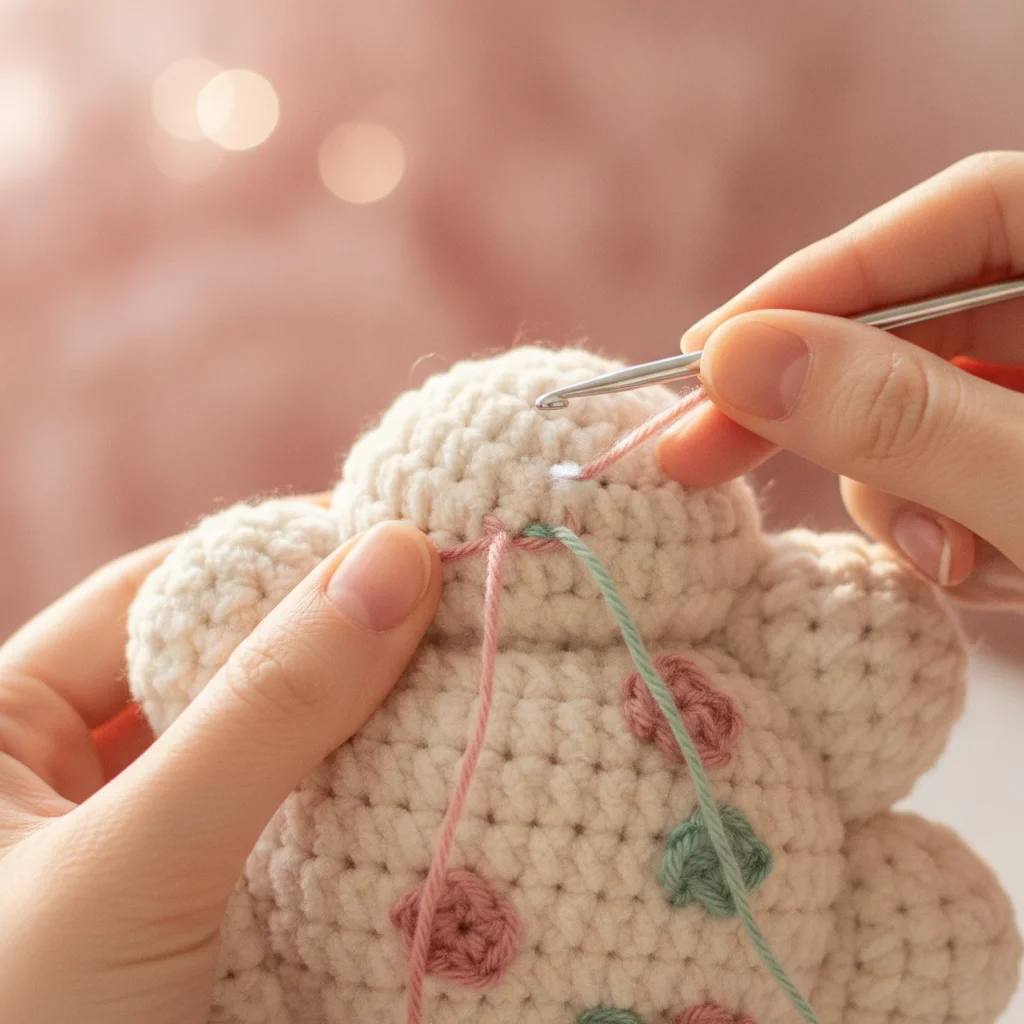
A Beginner's Guide to Selling Handmade Amigurumi: Turn Your Passion into Profit
Want to turn your love for crochet into a small business? Discover essential tips on pricing, photography, and selling your handmade amigurumi toys.
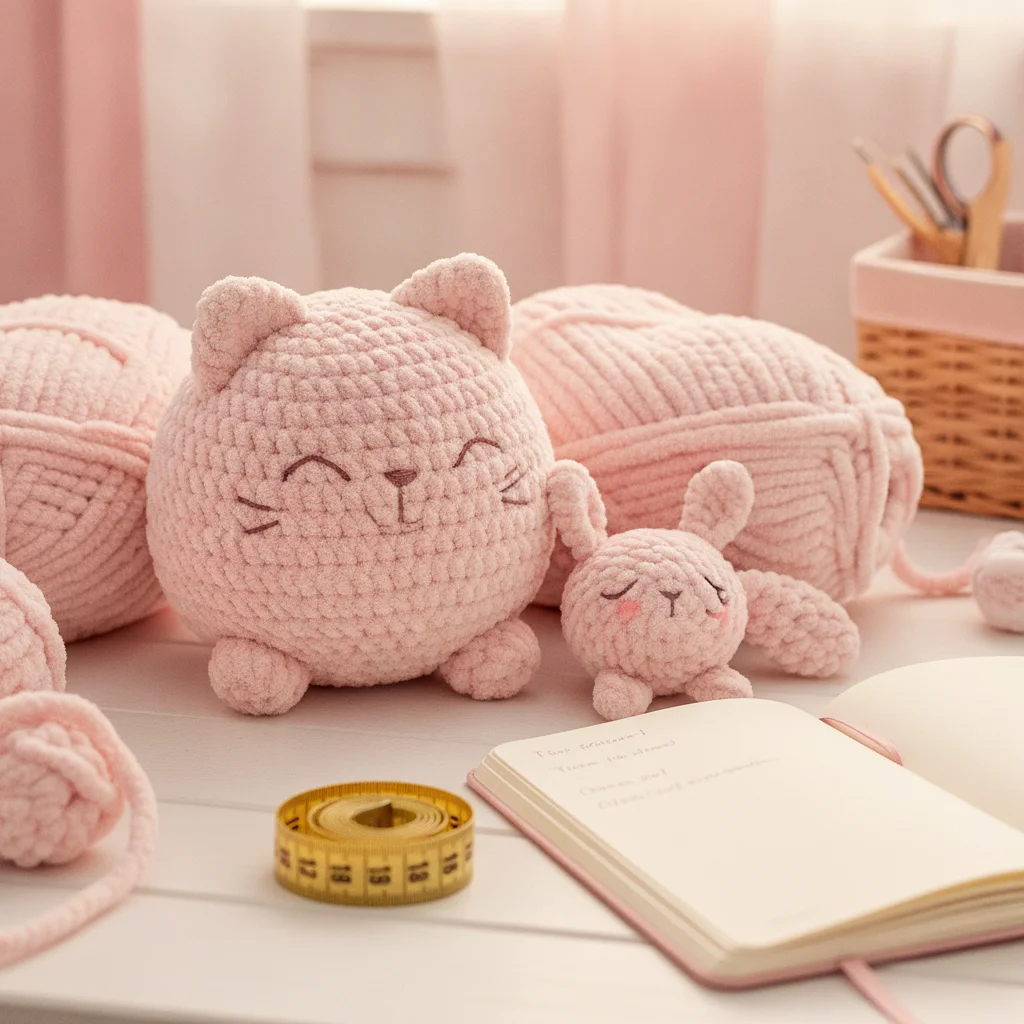
There is nothing quite like the feeling of someone admiring an amigurumi toy you crafted with your own hands. But have you ever thought about taking your passion a step further and turning your crochet hobby into a rewarding small business?
Starting to sell your handmade amigurumi might feel overwhelming at first, but with a clear plan, you can turn your creative pastime into a thriving craft shop. Here is a beginner-friendly guide to help you start selling handmade amigurumi toys with confidence.
1. Define Your Niche and Signature Style
While it is tempting to make everything, having a focused product line helps build a recognizable brand.
- Pastel Baby Toys: Rattles, loveys, and nursery decor.
- Custom Dolls: Storybook characters or personalized handmade dolls.
- Quick Mini Keepsakes: Keychains and small plushies that are fast to make and affordable.
Start with a small, cohesive collection of 3 to 5 signature designs that showcase your best work.
2. Prioritize Safety and Material Quality
Since amigurumi toys are frequently gifted to infants and young children, material safety is paramount.
- Yarn: Choose soft, non-pilling 100% cotton or cotton-acrylic blend yarns.
- Eyes: Always use safety eyes with secure backings, or embroider the facial features for newborn-safe toys.
- Stuffing: Use premium, washable, hypoallergenic polyester fiberfill.
Tip: Explicitly state in your product listings that your materials are child-friendly and hypoallergenic. This builds trust with parents and gift buyers.
3. How to Price Your Amigurumi Correctly
One of the most common mistakes crafters make is pricing based solely on yarn cost. Your time and craftsmanship are valuable!
Here is a simple pricing formula to get started:
$$\text{Retail Price} = \text{Material Costs} + (\text{Hours Spent} \times \text{Hourly Rate}) + \text{Profit Margin}$$
| Breakdown | What it includes |
|---|---|
| Materials | Yarn, fiberfill, safety eyes, packaging |
| Labor | Actual hours spent crocheting and assembling |
| Overheads | Marketplace fees, shipping supplies, listing costs |
Never undervalue your time. Handmade plushies cannot and should not compete with mass-produced factory toys.
4. Master Product Photography
Online buyers rely entirely on your photos to judge quality. Great lighting makes all the difference.
- Use Natural Light: Shoot near a large window during daytime, avoiding harsh direct sunlight.
- Keep Backgrounds Clean: Light wooden surfaces or neutral pastel backdrops keep the focus on your toy.
- Show Close-Ups: Include macro shots highlighting stitch consistency and neat assembly.
5. Choose Your Selling Platforms
Where should you list your products?
- Instagram & Social Media: Share behind-the-scenes reels, WIP (work in progress) shots, and finished pieces to grow a loyal audience.
- Etsy: The go-to marketplace for international buyers searching for unique handmade gifts.
- Local Craft Fairs: Great venues to let customers see and touch the soft texture of your plushies in person.
6. Delightful Packaging and Customer Experience
The unboxing experience creates lasting memories. Wrap your amigurumi in delicate tissue paper, add a handwritten thank-you note, and include care instructions for washing the toy.
We are here to support your creative journey every step of the way! Connect with our community and share your handmade creations by following us on Instagram @aylawangurumi.