Natural Ways to Protect Your Amigurumi from Dust and Moths
Keep your handmade crochet amigurumi toys looking fresh and vibrant for years with these simple dust, moisture, and moth protection techniques.
Preserving Stitches Crafted with Love
Every crocheted amigurumi toy carries hours of patience, care, and creativity. These sweet handcrafted companions bring warmth to our homes, but because they are made from cotton or wool yarns, they can naturally attract dust or be vulnerable to humidity and pests over time.
Keeping your precious handmade creations as fresh as the day you finished them is easy when you know the right care and storage techniques. Here is our complete guide to protecting your amigurumi from dust, fibers-eating moths, and general wear.
1. Practical Dust Protection Tips
Because of their textured stitch surface, crocheted toys tend to hold onto dust if left exposed for long periods.
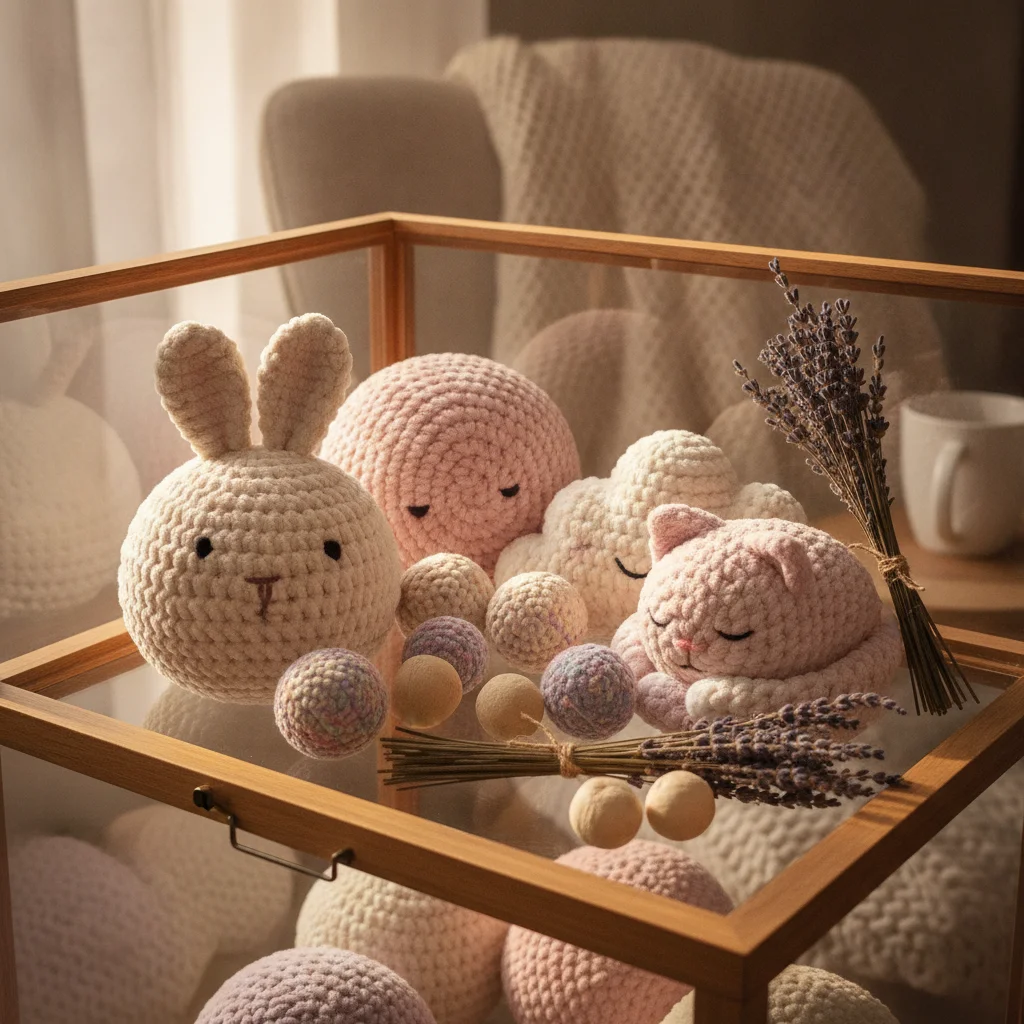
- Glass Display Cabinets: Displaying your creations behind glass doors is the most elegant way to show them off while keeping dust at bay.
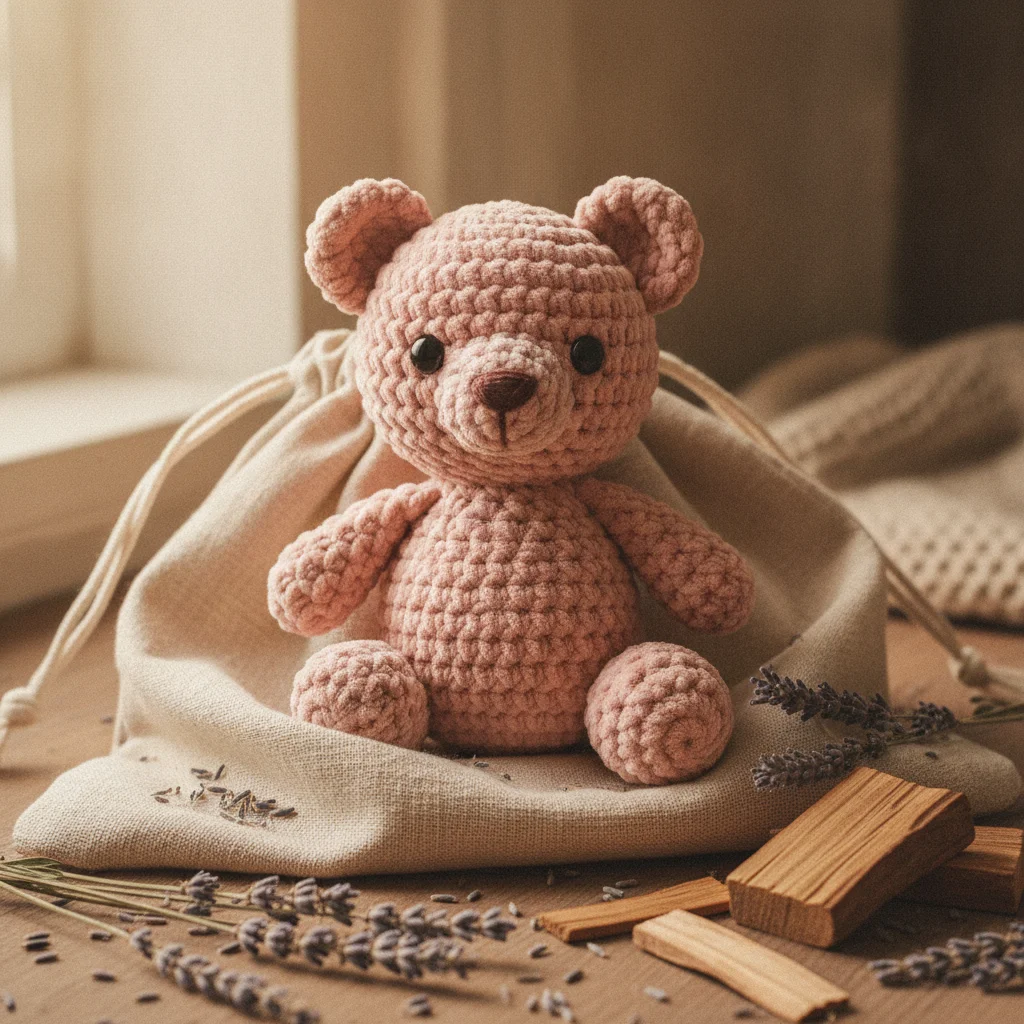
- Breathable Storage Bags: If you need to store toys away seasonally, avoid plastic bags and choose breathable cotton or linen bags instead.
- Gentle Dusting Routine: Use a soft-bristled baby hairbrush or a hairdryer on the coolest setting to gently dust off your items once a week.
Quick Tip: Never apply a vacuum cleaner nozzle directly to your crochet work. If necessary, cover the nozzle with a clean nylon stocking and use the lowest suction power.
2. Natural Protection Against Moths
Moths are particularly attracted to natural fibers like wool and cotton blends. Chemical mothballs can leave strong odors and damage yarn fibers, so natural repellents are always the best choice.
| Natural Repellent | Benefits & How to Use |
|---|---|
| Dried Lavender | Place in small fabric sachets near your toys. Repels pests while adding a lovely fragrance. |
| Cedar Wood Blocks | Cedar absorbs moisture naturally and repels moths without harsh chemicals. |
| Cloves & Bay Leaves | Placing a few cloves or dry bay leaves in storage boxes naturally keeps insects away. |
| Clean Storage | Ensure toys are clean before storing, as moths are attracted to oils and residues. |
3. Storage Mistakes to Avoid
One common mistake when storing amigurumi is using vacuum compression bags. While they save space, they crush the fiberfill inside, causing the toy to lose its shape permanently.
- Avoid Heavy Pressure: Do not stack heavy items on top of crocheted toys. Allow the stuffing to retain its natural bounce.
- Keep Away from Direct Sunlight: Bright sunlight fades yarn colors over time. Store or display them in a dry spot with indirect light.
- Choose Breathable Containers: Sealed plastic containers can trap humidity and create mildew. Fabric or cardboard storage boxes are much safer options.
4. Routine Cleaning & Gentle Care
When it's time to wash your amigurumi, hand washing in lukewarm water with mild baby shampoo is the safest method. Squeeze gently without twisting, roll in a clean towel to absorb excess water, and lay flat to dry.
Taking good care of your handmade toys ensures that your hard work lasts for generations. Do you have any favorite storage tips for your crochet projects? Join our friendly community and share your creations with us on Instagram at @aylawangurumi!