Magic in Amigurumi: A Guide to Planned Color Changes and Color Pooling
Want to create perfect patterns in your amigurumi projects? Discover the secrets of planned color changes and color pooling step by step.
The Dance of Colors in Amigurumi: What is Color Pooling?
In the world of amigurumi, every stitch is like a brushstroke that brings our toys to life. While working with classic solid colors yields wonderful results, sometimes we want to add a bit more movement and magic to our projects. This is where the art of planned color changes and color pooling comes into play.
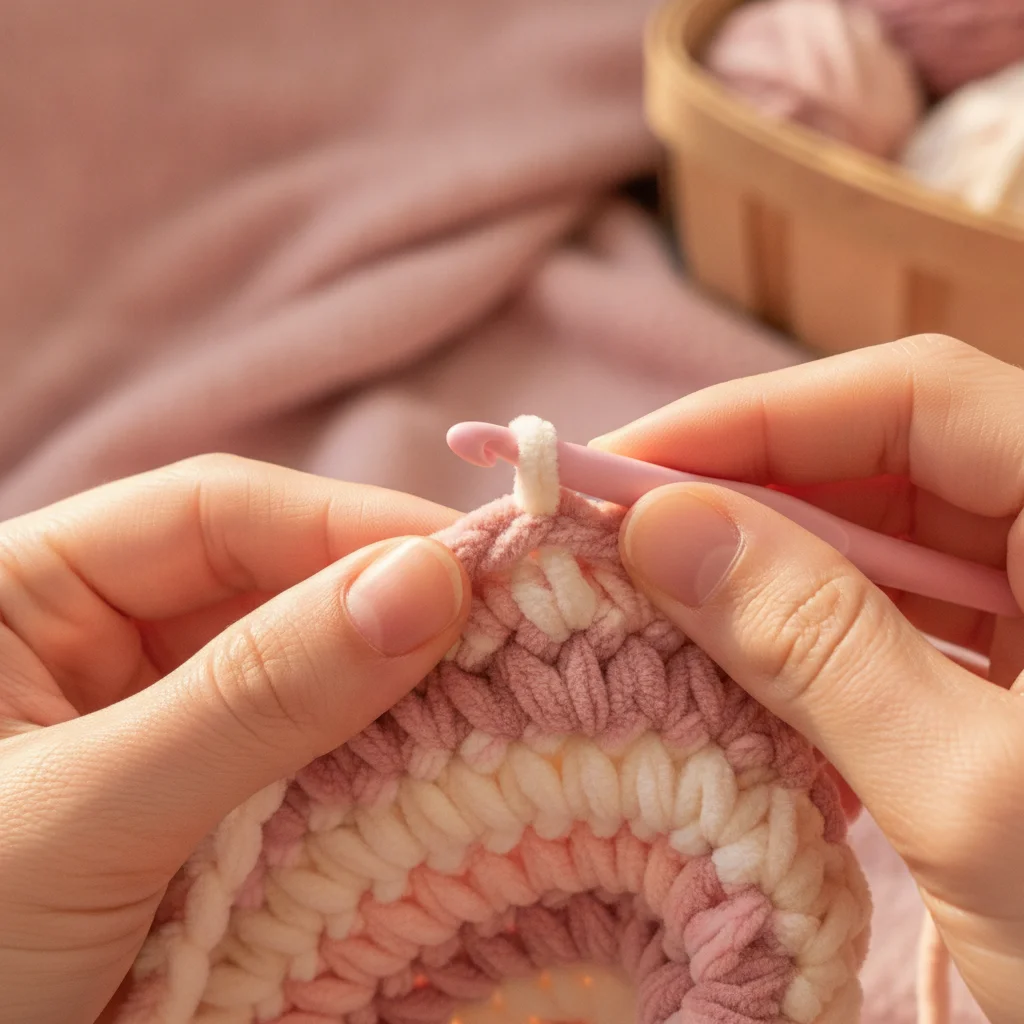
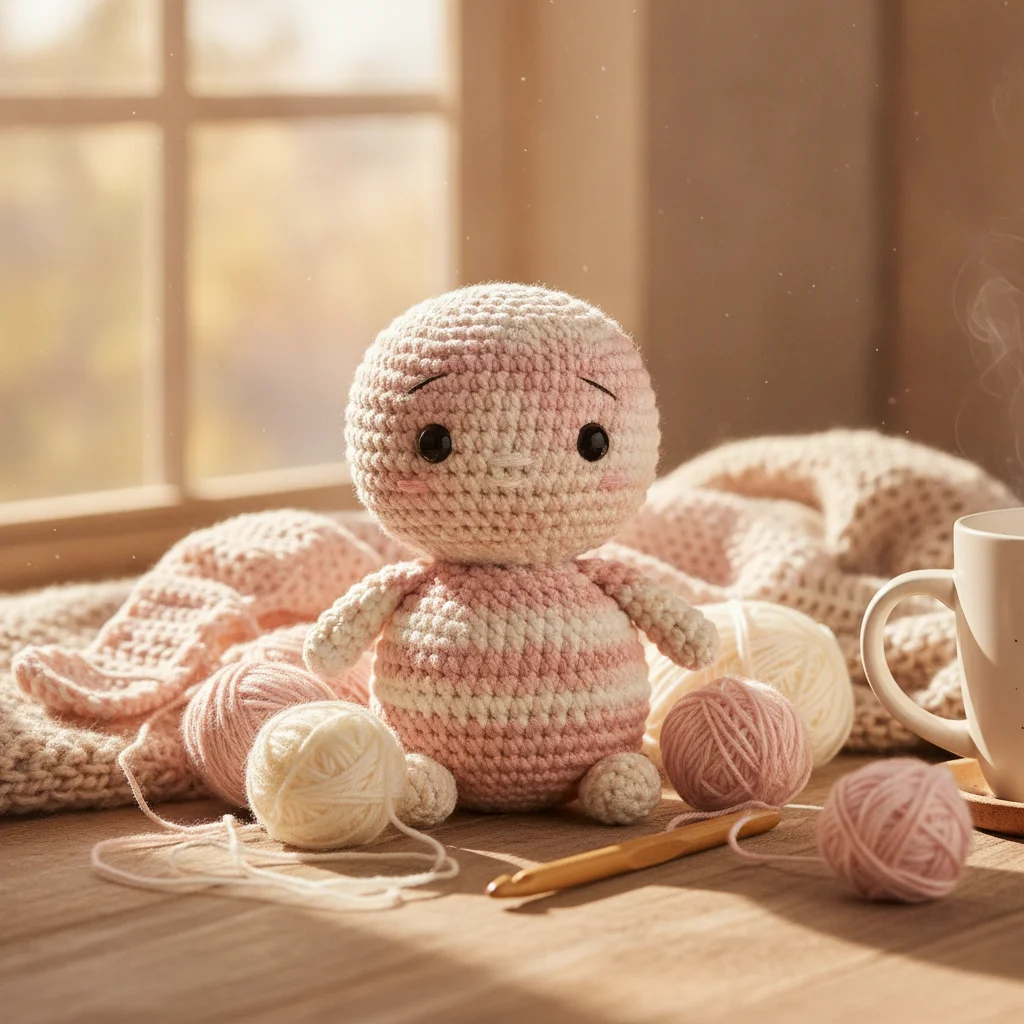
Color pooling is the technique of using variegated yarns (yarns with repeating color segments) to intentionally create specific patterns—such as argyle, stripes, or spirals—in your crochet work. In amigurumi, which is crocheted in rounds, this technique allows you to create gorgeous, naturally forming spirals on your toy's body or clothing.
Classic Color Change vs. Planned Color Pooling
For those new to crochet, these two terms can sometimes be confusing. Understanding the difference is key to the success of your project:
| Feature | Classic Color Change | Planned Color Pooling |
|---|---|---|
| Yarn Type | Multiple solid-colored yarns | A single variegated yarn |
| Difficulty | Easy (cutting and joining yarn) | Intermediate/Advanced (requires tension control) |
| Appearance | Sharp, solid color blocks | Soft, repeating, and flowing patterns |
| Weaving in Ends | Many yarn tails to hide | Almost no yarn tails to weave in |
| Pattern Flow | Manually decided | Dictated by the yarn's color repeat |
Step-by-Step: How to Do Color Pooling in Amigurumi
Since amigurumi is worked in continuous spirals (rounds) rather than flat rows, the logic of how colors align is slightly different. Here are the steps to master this beautiful technique:
1. Choose the Right Yarn
Not every variegated yarn is suitable for color pooling. You need yarn with consistent, repeating color lengths that aren't too long. Pastel-toned variegated yarns with short color repeats are ideal for small amigurumi projects.
2. Analyze the Color Sequence
Unwind a portion of your yarn and study the order of the colors. For example: Pink -> White -> Grey -> White -> Pink. Note how many inches or centimeters each color lasts. Our goal is to have the same color land right next to or one stitch over from the previous round.
3. Master Your Tension
The ultimate secret to successful color pooling is tension control. If a color change happens too early or too late for your desired pattern, you can adjust by switching your hook size or crocheting slightly tighter or looser.
Ayla's Tip: To keep your color boundaries clean, make sure you pull through the final loop of your stitch with the very beginning of the new color. This makes the transition seamless.
4. Tracking the Pattern in the Round
Since amigurumi involves increases and decreases, the stitch count changes, which can disrupt the pooling pattern. Therefore, this technique works best on the straight sections of your toys (like the body or legs) where the stitch count remains constant. In spiral crochet, a shift of just one stitch per round will create a stunning spiral effect wrapping around your toy.
Golden Tips for Flawless Results
- Be Patient: The pattern might not be obvious in the first few rounds. Keep crocheting, and you will soon see the spiral design emerge.
- Take Notes: Always write down which hook size and tension style helped you achieve the perfect pattern with a specific yarn.
- Hook Selection: Using a hook that is half a size smaller than recommended on the yarn label will keep your stitches tight (preventing stuffing from showing) while making the color transitions sharper.
Planned color pooling is a rewarding technique that adds a professional, magical touch to your handmade creations. Don't be afraid to experiment and make mistakes—every handmade toy has its own unique charm!
Would you like to share the lovely toys you've created using this technique? To showcase your designs and join our warm crochet community, follow and tag us on Instagram at @aylawangurumi! Keep crocheting with love!