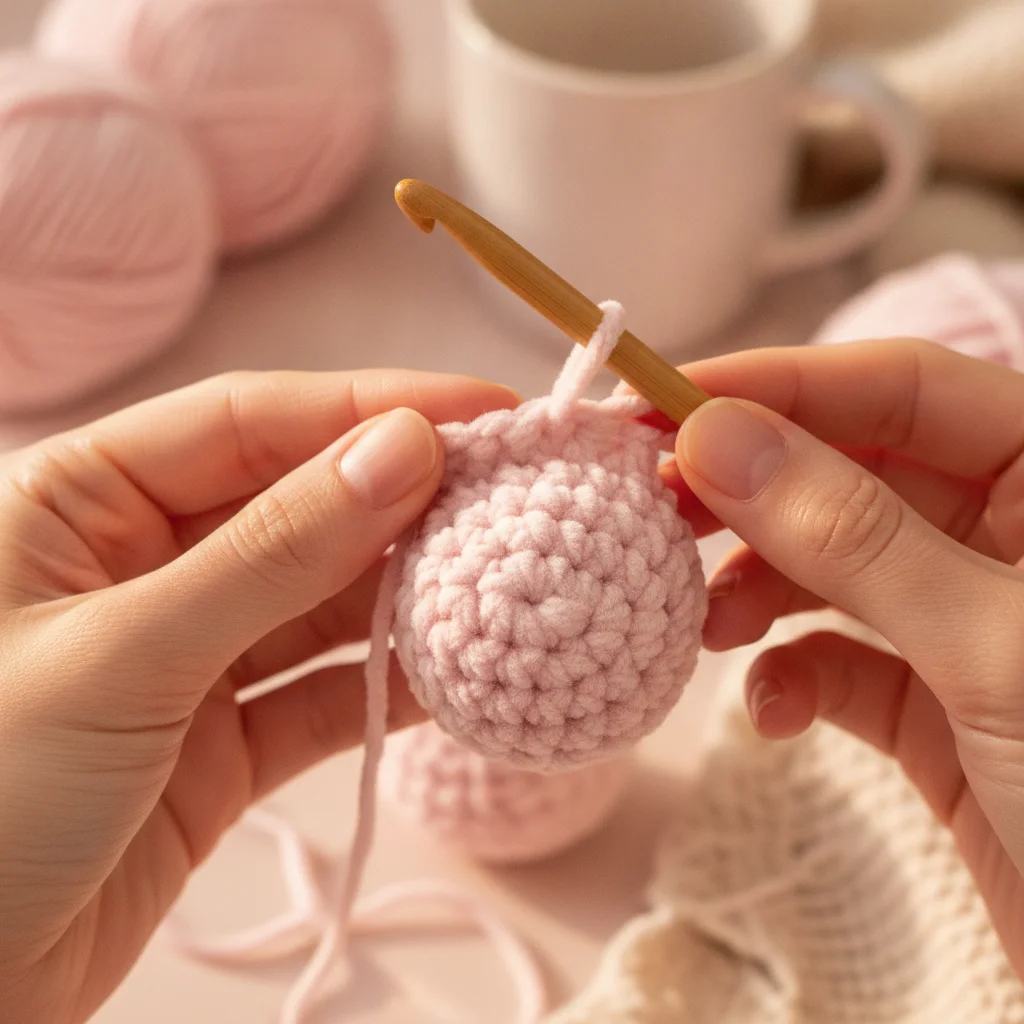
Tips to Prevent Loose and Tight Stitches in Amigurumi
Say goodbye to inconsistent stitch tension in your amigurumi projects! This comprehensive guide reveals the secrets to achieving perfect stitch tension, making your creations look more professional.
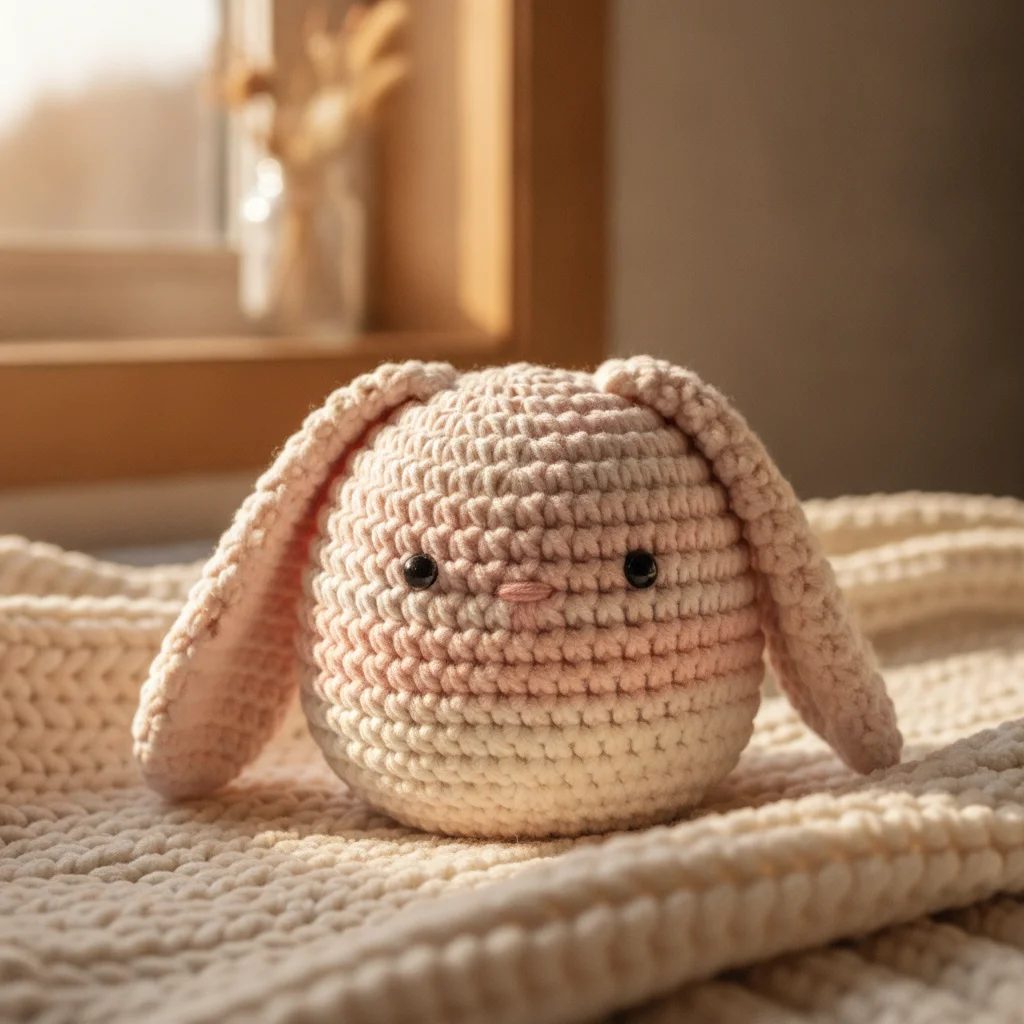
Hello fellow crafters! Welcome to the Ayla Wan Gurumi blog. In the wonderful world of amigurumi, we all face a common challenge: stitch tension. Sometimes our stitches are too loose, leaving gaps where the stuffing peeks through, while other times we crochet so tightly that it's a struggle to insert our hook. In this blog post, we'll walk you through how to achieve consistent and perfect stitch tension in your amigurumi projects.
Why Stitch Tension is Crucial for Amigurumi
One of the defining characteristics of amigurumi is its dense and even fabric. This ensures our toys are plump, shapely, and durable. If your stitches are too loose, the fiberfill inside your toy can become visible, creating an aesthetically unpleasing look. Moreover, loose stitches can cause the toy to lose its shape over time. On the other hand, excessively tight stitches not only make the crocheting process difficult but also result in a finished product that is too stiff and inflexible. This can diminish the toy's tactile appeal and might be uncomfortable, especially for children.
Common Causes of Loose and Tight Stitches
Inconsistent stitch tension can be attributed to several common factors:
- Hook and Yarn Mismatch: Using a hook size different from what your yarn recommends, or simply choosing a hook that isn't ideal for your yarn, can lead to tension issues.
- Personal Crocheting Style: Some crocheters naturally have a tighter hand, while others crochet more loosely. This is entirely a personal habit.
- Fatigue and Distractions: Long crocheting sessions or a lack of focus can tire your hands and fingers, causing your tension to fluctuate.
- Incorrect Yarn Hold: Holding the yarn too tightly or too loosely in your fingers can result in uneven stitches.
- Crocheting Posture: Even your sitting position or the way you hold your arms can affect your stitch tension.
Steps to Achieve Perfect Stitch Tension
Now, let's dive into practical tips on how to overcome these challenges:
1. Choosing the Right Materials: Hook and Yarn Harmony
Everything begins with the right start. Your yarn label usually suggests a recommended hook size. For amigurumi, it's often beneficial to use a hook half or even one size smaller than recommended to achieve a tighter, denser fabric. Adjust your hook choice according to the weight and type of your yarn (cotton, acrylic, etc.). For instance, use a smaller hook for finer yarn and a larger hook for bulkier yarn.
Tip: When trying a new yarn or hook, crocheting a small swatch helps you understand and adjust your stitch tension before starting your project. By crocheting this small square, you can see how the hook interacts with your yarn and the density of the fabric you achieve.
2. Your Grip on the Hook and Yarn
How you hold your yarn and hook has a significant impact on your stitch tension. Controlling the yarn by wrapping it around your index finger is an effective method for most crocheters. Aim to hold the yarn neither too tightly nor too loosely on your finger. Your grip on the hook is also important; whether you hold it like a pencil or a knife, the key is to ensure a comfortable and controllable grip. Mastering the correct angle when inserting the hook into a stitch will ensure your stitches are neat and even.
Controlling Yarn on Your Finger
The tension created by wrapping the yarn around your index finger determines how much yarn is pulled through the hook. If you hold the yarn too tightly, your stitches will be tight; if you leave it too loose, your stitches will be loose. Over time, you'll learn to adjust this tension intuitively. Feel the yarn flow through your fingers as you crochet and make small adjustments as needed.
3. Consistent and Repetitive Practice
As with any skill, practice makes perfect in amigurumi. You can improve your stitch tension by starting with simple round or square motifs. If you notice different tensions within the same project, it's often due to fatigue or distractions. Be patient with yourself and try to crochet each stitch consciously.
Crocheting Breaks and Focus
Crocheting for extended periods without a break can tire your hands and wrists, leading to inconsistent stitch tension. Take short breaks every 30-45 minutes. It's also important to crochet in a calm environment free from distractions. While watching TV or chatting while crocheting can be enjoyable, it can be harder to maintain consistent tension, especially for beginners.
4. Body Ergonomics and Posture
Crocheting in a comfortable chair with your back supported and arms relaxed helps maintain consistent stitch tension. Keep your wrists and shoulders relaxed; a tense posture can increase tension in your hands. Adequate lighting is also crucial. Crocheting in a well-lit area allows you to see your stitches more clearly and spot errors sooner.
5. Recognizing and Correcting Stitches
Don't panic if you notice loose or tight stitches in your work. Carefully examine your crochet:
- Loose stitches: Typically manifest as gaps or an uneven, sparse appearance. In this case, try holding the yarn tighter on your finger or consider using a hook half a size smaller for your next project.
- Tight stitches: Can make it difficult to insert your hook, result in very stiff fabric, and even bend your hook. If this happens, try to release the yarn a bit more loosely from your finger or consider using a hook half a size larger.
Remember, frogging (undoing) a mistakenly crocheted stitch or row will improve the overall quality of your project. It's not a failure but a natural part of the learning process.
Frequently Asked Questions
Should I always use the same hook size? No, just as each yarn has a different thickness and texture, your personal crocheting tension can change over time. Therefore, it's beneficial to re-evaluate your hook size for each new project or when changing yarn.
Is it better to crochet tight or loose? Neither is ideal for amigurumi. For the best results, aim for a consistent, medium tension. This creates a fabric that is tight enough to prevent the stuffing from showing but flexible enough to ensure the toy isn't overly stiff.
Conclusion
Achieving perfect stitch tension in amigurumi is a journey that requires patience and practice. Be kind to yourself and remember that with every stitch, you'll get a little better. With the right material selection, a conscious grip, regular practice, and an ergonomic workspace, you can crochet the amigurumi toys of your dreams. Enjoy every stitch!
We'd love to accompany you on your crocheting journey! Don't forget to follow us on Instagram for more inspiration and tips: @aylawangurumi