Spiral Rounds vs. Joined Rounds in Amigurumi: Which Technique is Best for Your Project?
A common question for amigurumi beginners: Should you crochet in continuous spirals or join each round? This post explores both techniques to help you make the best decision for your next project.
Hello crochet enthusiasts! As you delve into the world of amigurumi or look to expand your skills, one fundamental question often arises: "Should I crochet in continuous spirals, or should I join each round?" This can be particularly confusing for those seeking a smooth and aesthetically pleasing finish. Here at Ayla Wan Gurumi, we'll dive deep into both techniques, exploring their advantages, disadvantages, and helping you decide which one to choose for your next project. By the end of this post, you'll be able to make informed decisions to create your dream amigurumi toy flawlessly.
What are Spiral Rounds and How to Crochet Them?
Spiral rounds, as the name suggests, involve crocheting in a continuous, unbroken spiral pattern. There's no joining with a slip stitch or chaining up at the end of each round. Instead, the last stitch of the previous round flows directly into the first stitch of the next. This method is preferred for the vast majority of amigurumi toys because it creates a seamless and smooth surface.
Advantages of Spiral Rounds
- Smooth, Seamless Appearance: The biggest advantage is the absence of any visible seam line or bump in your projects. This results in a highly aesthetic finish, especially for toys.
- Realistic Texture: It allows toys to have a natural and fluid appearance. Without any breaks, the integrity of the design is preserved.
- Potentially Faster Crocheting: By skipping the steps of joining and chaining up for each round, the crocheting process can feel a bit quicker.
Disadvantages of Spiral Rounds
- Difficulty Tracking Rounds: It's very easy to lose track of where a round begins. This makes using a stitch marker absolutely essential. By placing a stitch marker in the first stitch of each round, you can easily keep tabs on your progress.
- Noticeable Color Changes: When changing colors in spiral rounds, the transition point can be somewhat noticeable, creating a slight "jog" or step. This can often be managed with careful color change techniques or strategic placement.
When to Use Spiral Rounds?
Spiral rounds are primarily used for the main parts of amigurumi toys, such as bodies, heads, arms, and legs. Essentially, anywhere you want to achieve a seamless, round, and smooth surface, spiral rounds are the ideal choice.
What are Joined Rounds and How to Crochet Them?
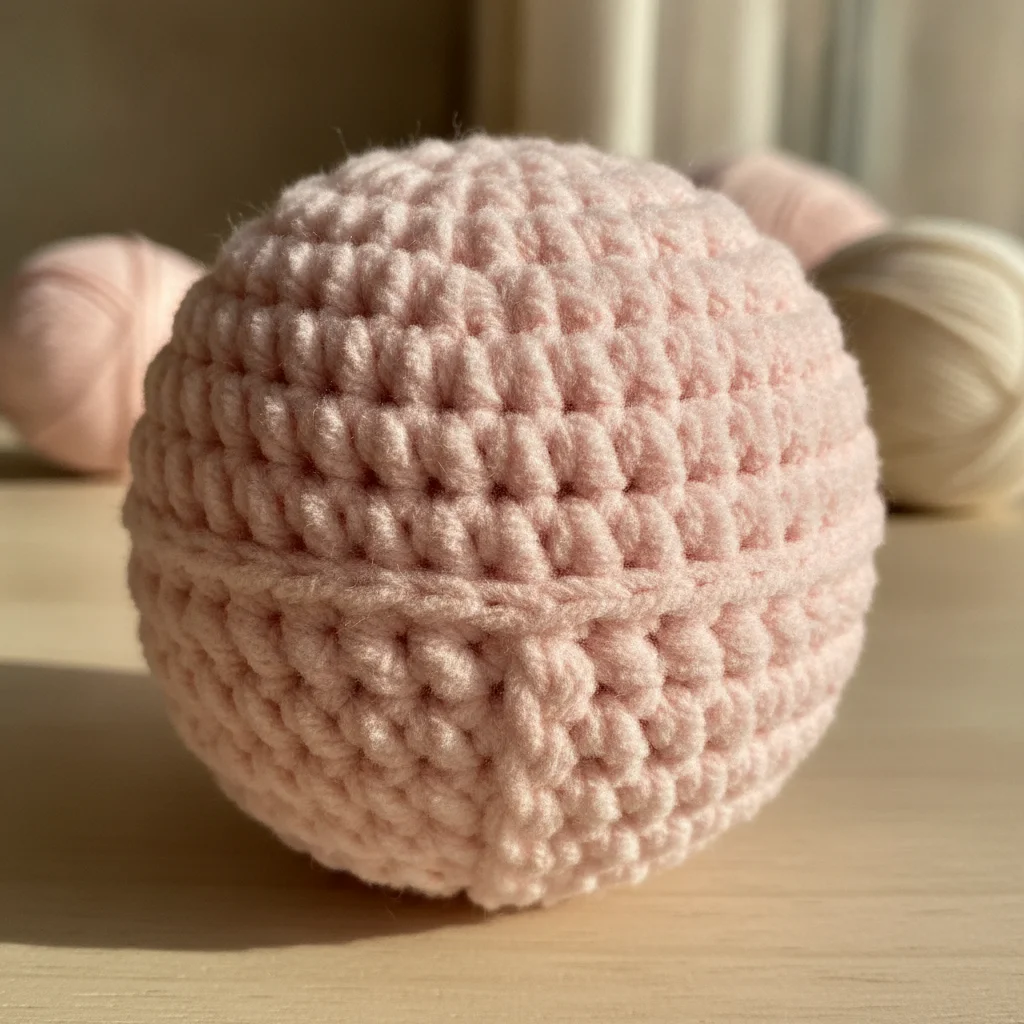
In the joined rounds technique, at the end of each round, the last stitch is joined to the first stitch of that round with a slip stitch. Then, to begin the next round, you typically chain one or more stitches. This technique is often employed in projects where a neat edge and a clear round beginning are desired.
Advantages of Joined Rounds
- Clear Round Definition: The joining and chaining at the end of each round make it very clear where each round begins and ends. This can be helpful for beginners who are still learning to count stitches or follow patterns.
- Neat Edges: For projects like garments, hats, or flat panels, joined rounds can create tidier and more finished-looking edges.
- Controlled Color Changes: When changing colors, it's often easier to strategically hide the join point, resulting in a cleaner color transition.
Disadvantages of Joined Rounds
- Visible Seam Line: The most significant drawback is the vertical seam line that forms with each join. This seam can disrupt the smooth appearance of amigurumi toys and might be aesthetically undesirable.
- Slower Crocheting: The additional steps of joining and chaining up in each round can make the crocheting process slightly slower compared to spiral rounds.
When to Use Joined Rounds?
Joined rounds are more commonly used for projects other than amigurumi toys, such as blankets, hats, vests, cardigans, or any decorative pieces where a straight or neat edge is desired. Within amigurumi, they might occasionally be used for flat bases or specific design details.
Which Technique Should You Choose? Spiral or Joined Rounds?
The answer is simple: It depends on your project's purpose and the finish you want to achieve!
- If you are crocheting an amigurumi toy and desire a smooth, seamless surface, spiral rounds are your best bet. The vast majority of amigurumi patterns are written with spiral crocheting in mind.
- If you are crocheting a garment, hat, or a flat panel that requires neat edges, the joined rounds technique might be more suitable.
Tip: When crocheting amigurumi in a spiral, never forget to use a stitch marker! This small tool will save you countless amounts of time and effort. Also, to minimize the slight jog that occurs during color changes, try to make your color transition in a less visible spot on your toy (e.g., the back or under an arm).
Both techniques have their own advantages and applications. The key is to understand your project's requirements and choose the appropriate technique. By experimenting and practicing, you'll discover which method works best for you and your creations. While it might be challenging at first, every new technique you master will transform you into a more skilled crocheter.
We hope this post has helped you understand the difference between spiral and joined rounds for your amigurumi projects. We're always happy to support you on your crochet journey! For more tips, patterns, and inspiration, don't forget to follow us on Instagram: @aylawangurumi