How to Hold a Crochet Hook: Pencil vs. Knife Grip
Can't decide how to hold your crochet hook for amigurumi? Discover the pencil and knife grips, compare their pros and cons, and find your style.
The First Step of Your Crochet Journey: Holding Your Hook
When stepping into the magical world of amigurumi with your fresh skeins of yarn and beautiful hooks, you quickly encounter your first technical question: What is the correct way to hold a crochet hook?
Many beginners assume there is only one "right" way. However, the truth is that everyone's hand anatomy and muscle memory are unique. There are two primary methods used worldwide: the Pencil Grip and the Knife Grip.
In this guide, we will explore both techniques, compare their pros and cons, and help you determine which hold offers the best comfort, especially for tight amigurumi stitches.
1. What is the Pencil Grip?
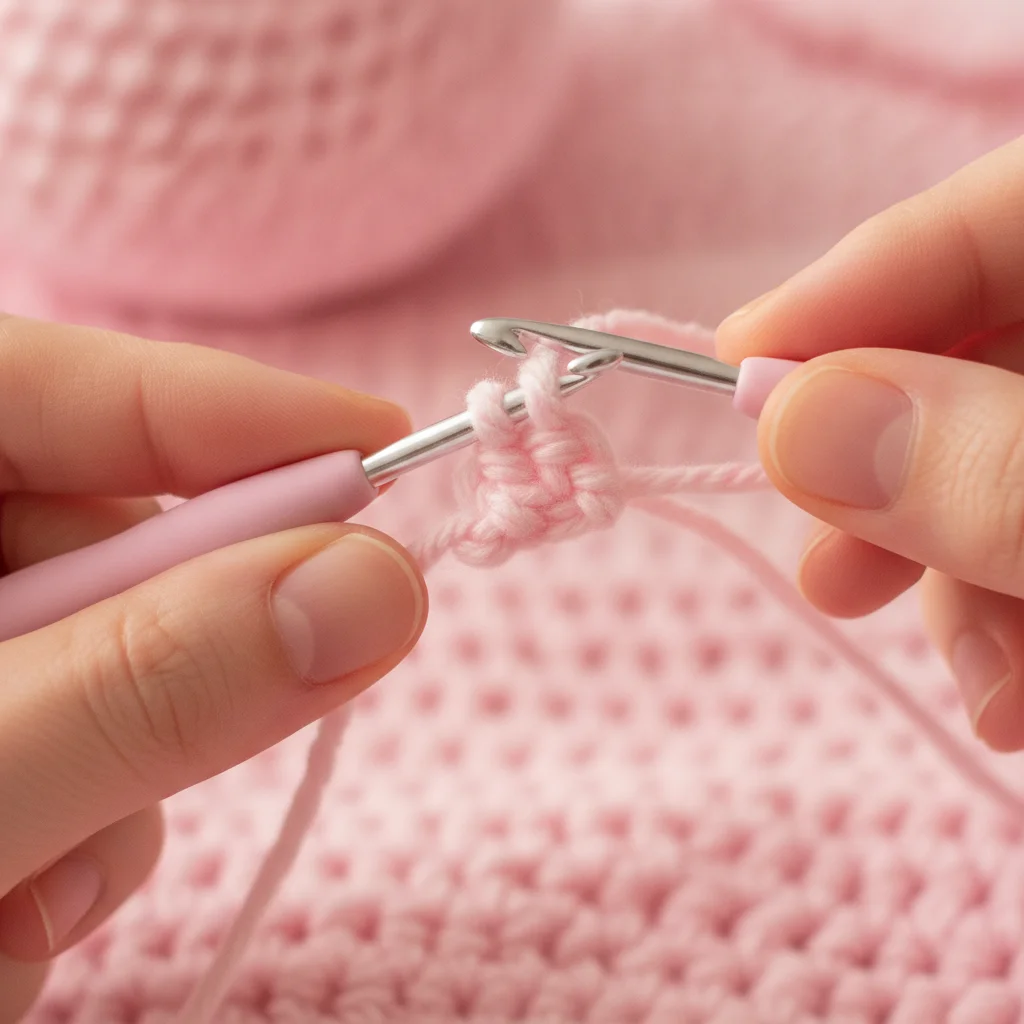
As the name suggests, the pencil grip involves holding your crochet hook much like you would hold a pen or pencil when writing. The shaft of the hook rests over the top of your hand between your thumb and index finger.
How to Hold It:
- Hold the flat thumb rest of the hook between your thumb and index finger.
- Support the hook from underneath using your middle finger.
- Guide the hook primarily using fine movements of your fingertips.
Pros:
- Offers high precision and control over small, intricate stitches.
- Feels very familiar to beginners due to years of holding pens and pencils.
- Makes it easy to keep stitch sizes uniform through micro-adjustments.
Cons:
- Relies heavily on smaller finger muscles, which can lead to faster fatigue.
- May place extra tension on the wrist when pulling tight amigurumi stitches.
2. What is the Knife Grip?
The knife grip (or overhand grip) resembles how you hold a dinner knife or a chef's knife. The handle of the hook rests securely against the palm of your hand, with your index finger extended along the top of the hook shaft.
How to Hold It:
- Enclose the handle of the hook inside your palm.
- Support the sides with your thumb and middle finger.
- Place your index finger on top of the shaft for guidance and leverage.
Pros:
- Engages the entire forearm and arm rather than just tiny finger joints.
- Distributes force evenly, significantly reducing finger and wrist fatigue.
- Provides excellent leverage, making tight stitches much easier to work.
Cons:
- Can feel awkward or clumsy at first for those used to writing grips.
- Might require a little practice to regain speed on very delicate details.
Which Grip is Best for Amigurumi?
Amigurumi requires making dense, tight single crochet stitches to ensure that fiberfill stuffing doesn't poke through. Working with tight tension places more demand on your hands than making loose blankets or garments.
Because of this, many amigurumi makers prefer the Knife Grip. It allows you to use the strength of your whole arm to pull through tight loops, shielding your wrist and thumb joints from strain during long crafting sessions.
However, the absolute best grip is always the one that feels most natural and pain-free for you!
Ayla Wan Tip: If you experience wrist stiffness or thumb aching after crocheting, try switching your grip style or upgrading to ergonomic hooks with soft silicone handles.
Quick Comparison
| Feature | Pencil Grip | Knife Grip |
|---|---|---|
| Primary Movement | Fingertips & wrist | Forearm & wrist alignment |
| Control Style | Fine precision | Power & smooth leverage |
| Amigurumi Fit | Moderate (can tire fingers) | Excellent (easier tension control) |
| Fatigue Factor | May strain fingers over time | Ergonomic, distributes muscle load |
Final Thoughts & Happy Crafting
Whether you choose the pencil grip or the knife grip, the most important part of crochet is enjoying every stitch along the way. Don't be afraid to experiment with both until you find your rhythm!
We would love to know: how do you hold your hook? Share your thoughts and photos with us! For more beginner tips, inspiring amigurumi designs, and cozy updates, come follow us on Instagram at @aylawangurumi. Happy stitching!