Crocheting Amigurumi with Fluffy and Fuzzy Yarns: Essential Techniques
Don't let fuzzy or plush yarns intimidate you! Discover foolproof tips to feel your stitches, avoid yarn breakage, and create cuddly amigurumi toys.
Cloud-Like Softness: The Appeal of Fuzzy Yarns
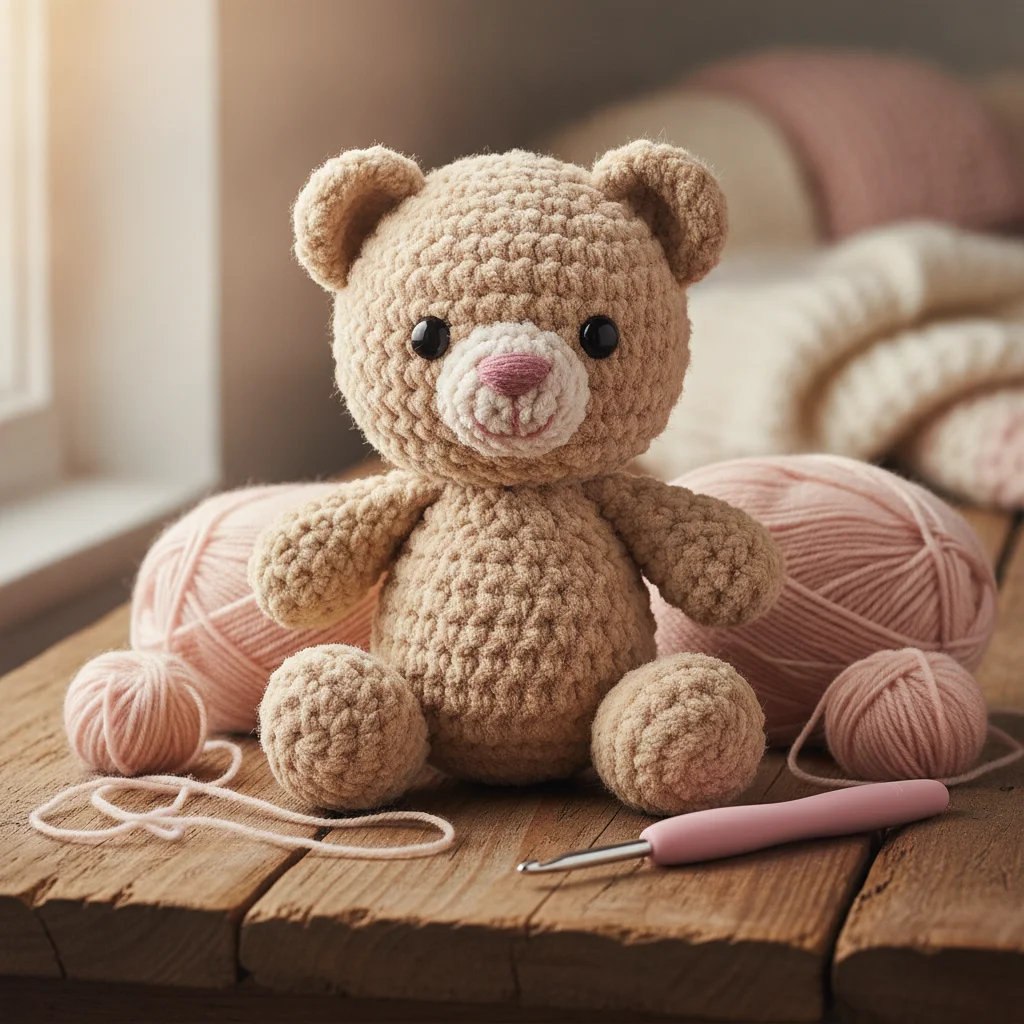
While smooth cotton remains the classic standard for amigurumi, fuzzy, boucle, and faux-fur yarns bring an unbeatable cuddliness to handmade toys. From chubby teddy bears to sleepy lambs, fluffy textures transform simple crochet patterns into heirloom-quality plushies.
However, working with textured yarn can be intimidating. The very feature that makes these yarns adorable—their dense, fuzzy halo—also hides the stitches. If you have ever felt lost in a sea of fluff, these essential techniques will help you regain control and enjoy the process.
1. Feel the Stitches Instead of Looking for Them
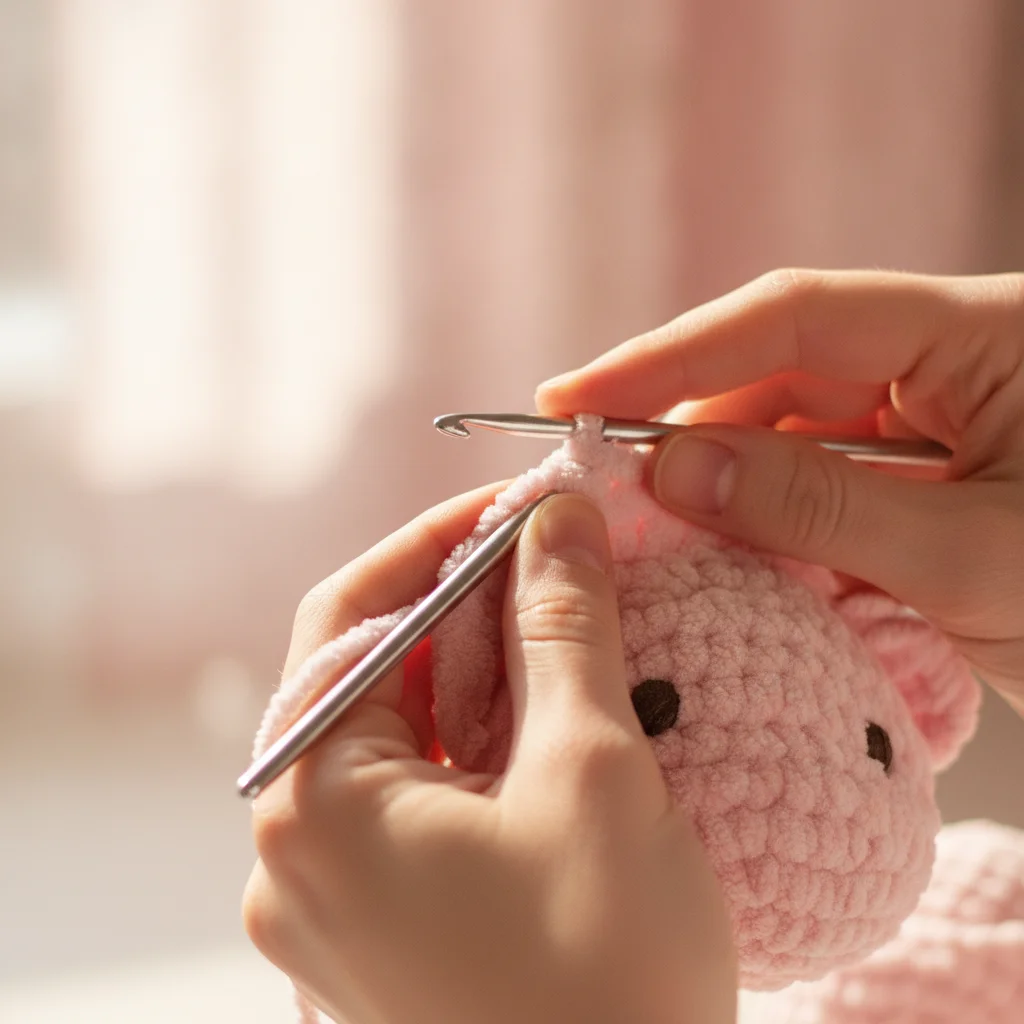
With fuzzy yarns, your fingertips become your primary tool. Relying purely on visual cues will strain your eyes and lead to missed stitches.
- Guide with Your Fingers: Place your non-hook thumb and index finger just behind the next stitch. You will easily feel the physical gap between posts.
- Maintain Relaxed Tension: Avoid pulling your yarn tightly. A looser, consistent tension creates larger gaps, making tactile navigation effortless.
Tip: Use strong, direct lighting and work over a contrasting background (such as a white towel on your lap for dark yarns) to illuminate the underlying stitch foundation.
2. The Chain-2 Method vs. Magic Ring
Pulling a traditional magic ring shut with textured yarn often causes fibers to bunch up, get stuck, or snap under tension. The Chain-2 alternative is far more reliable:
- Make a slip knot and chain 2 loosely.
- Work all your round 1 single crochets directly into the first chain made (the second chain from the hook).
- Continue directly into round 2 without fighting to cinch a fragile loop shut.
3. The Guide Thread Technique
If you find a high-pile faux-fur yarn completely unmanageable on its own, try holding it together with a thin, smooth fingering-weight cotton or acrylic yarn in a matching shade.
| Approach | Pros | Considerations |
|---|---|---|
| Solo Fuzzy Yarn | Ultra-soft, lightweight drape | Requires relying purely on finger touch |
| Fuzzy + Smooth Guide Yarn | Stitches are structurally clear & stronger | Results in a slightly denser fabric |
4. Turn It Inside Out: The Fluffy Side Secret
Because crochet hooks naturally push pile towards the back of the work, the "wrong side" of your fabric will almost always be considerably fluffier than the front side.
When crocheting 3D shapes like heads and limbs, simply flip your work inside out so that the fuzzy side faces outward. Once your piece is stuffed, gently brush the surface with a clean soft-bristle brush or clean toothbrush to lift trapped fibers and maximize fluffiness.
5. Assembly and Facial Details
- Join with Smooth Yarn: Sewing body parts together with fuzzy yarn creates bulky seams and frequently snaps. Use a matching smooth cotton thread for seamless, sturdy joins.
- Safety Eyes: Part the fluff carefully before inserting safety eye posts to ensure the washer secures flat against the base fabric without pinching loose fuzz.
Crocheting with fuzzy textures opens up a magical new dimension in toy making. Be patient with your first few rounds, let your hands lead the way, and embrace the charmingly soft results.
We would love to see the adorable fuzzy friends you create! Share your creations and tag us on Instagram at @aylawangurumi to join our creative community.