The Ultimate Amigurumi Crochet Hook Size Guide: Tips for Perfect Stitches
One of the most crucial steps when starting amigurumi is choosing the right hook for your yarn and project. This guide offers insights into selecting the perfect hook for beginner and intermediate crocheters.
Starting Amigurumi: The Importance of Hook Selection
Hello fellow crafters! Welcome to the Ayla Wan Gurumi blog. As you step into the wonderful world of amigurumi or embark on a new project, one of the most critical steps that shouldn't be overlooked is selecting the right crochet hook. Perhaps you're thinking, "How much difference can one hook make?" But believe me, choosing the correct hook directly impacts the success and appearance of your project, and even the enjoyment of your crocheting experience.
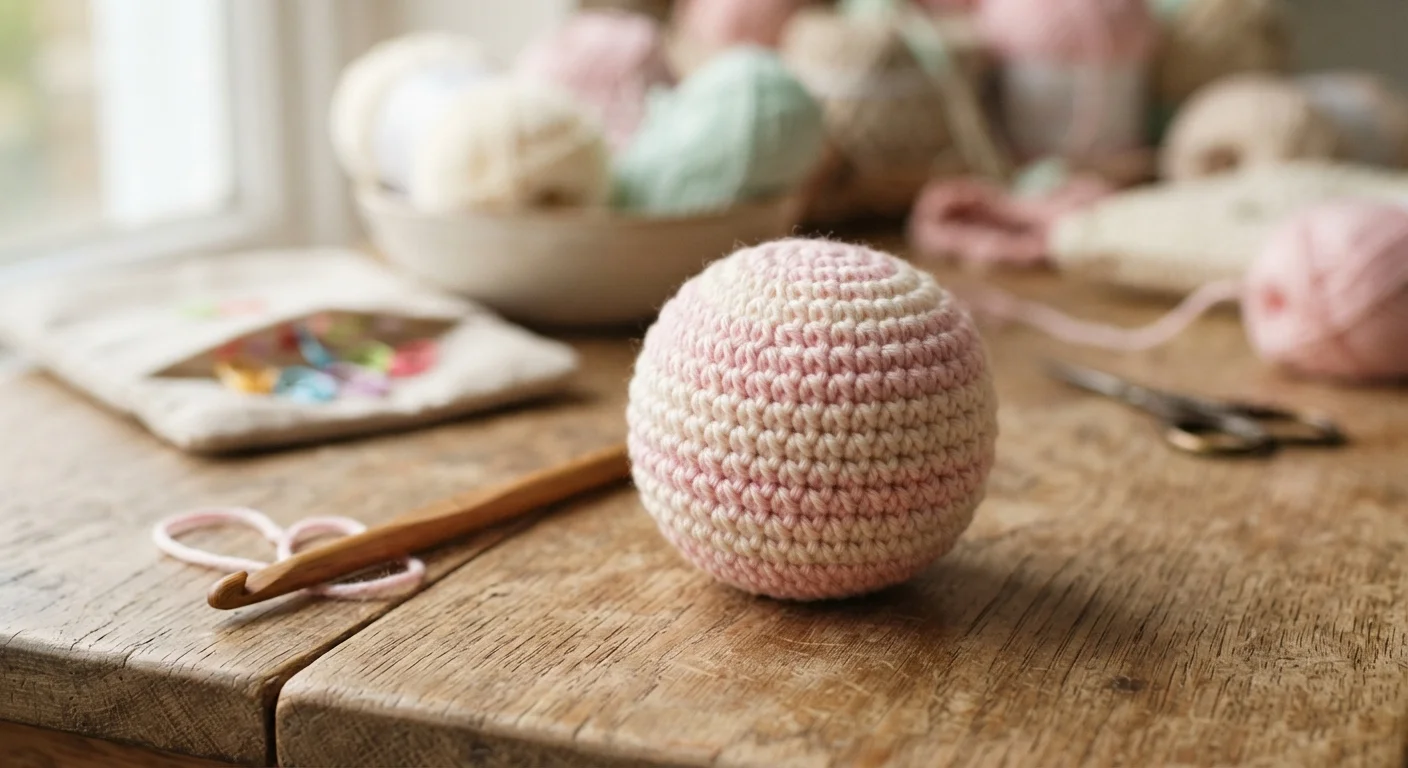
Amigurumi is the art of crocheting cute, stuffed toys characterized by tight, even stitches that maintain their shape. This tightness is vital for the toy to hold its form and prevent the stuffing from showing through. An incorrect hook choice can lead to overly loose stitches, visible stuffing, or a misshapen toy. In this guide, we'll learn step-by-step how to choose the most suitable hook for your amigurumi projects.
Why Amigurumi Hooks Are Different
In regular crochet, we typically use the hook size recommended on the yarn label, aiming for stitches that are a bit more flexible and draped. However, for amigurumi, the situation is quite different. The goal in amigurumi is to make the stitches as close and tight as possible. The reason for this is to prevent the stuffing from showing through the gaps between stitches when the toy is filled.
Ayla Wan Gurumi Tip: For amigurumi, it's generally recommended to use a hook one or two sizes smaller than what's suggested on the yarn label. This helps you achieve a tight and even stitch density everywhere, from the magic ring to the final finishing stitch.
The Relationship Between Yarn Weight and Hook Size
For those new to amigurumi, one of the most frequently asked questions is, "Which hook size should I use?" The answer depends on the thickness of the yarn you're using.
- Check the Yarn Label: Every yarn label specifies recommended hook and needle sizes for that particular yarn. This provides you with a starting point.
- Apply the Amigurumi Rule: Begin by choosing a hook that is 0.5 mm or 1 mm smaller than the size recommended on the label. For example, if your yarn suggests a 3.0 mm hook, you might try a 2.0 mm or 2.5 mm hook for amigurumi.
- Crochet a Swatch: The best method is to crochet a small test swatch. Work a few rows of single crochet and observe how tight your stitches are.
- If you see gaps between your stitches or think the stuffing might be visible, try a smaller hook.
- If your stitches are so tight that you struggle to insert your hook, or your fabric is very stiff and rigid, try a slightly larger hook.
| Yarn Weight (US Terminology) | Recommended General Hook Size | Amigurumi Hook Size |
|---|---|---|
| Fingering / Sport | B-1 to E-4 (2.25 - 3.5 mm) | C-2 to D-3 (2.75 - 3.25 mm) |
| DK / Light Worsted | E-4 to G-6 (3.5 - 4.0 mm) | C-2 to E-4 (2.75 - 3.5 mm) |
| Worsted / Aran | G-6 to I-9 (4.0 - 5.5 mm) | E-4 to G-6 (3.5 - 4.0 mm) |
Please note, this table is merely a guide. Everyone's tension is different, so crocheting a swatch will always yield the most accurate result.
Hook Materials and Ergonomics
Crochet hooks are made from various materials, each with its unique advantages:
- Aluminum Hooks: Lightweight, smooth, and affordable. They are the most common type of hook and allow the yarn to glide easily.
- Steel Hooks: Primarily used for very fine yarns and lace crochet. Available in very small sizes.
- Bamboo or Wooden Hooks: Offer a warmer feel and can slow down the yarn's glide slightly, making it easier for beginners to control.
- Plastic Hooks: Generally found in larger sizes, very lightweight, and economical.
Ergonomic Hooks: If you crochet for extended periods, choosing ergonomic hooks with thicker, contoured handles can help reduce hand and wrist fatigue. They are an excellent option to prevent finger strain, especially when working with smaller hooks.
Common Mistakes and Solutions
- Using Too Large a Hook: Stitches become loose, stuffing is visible, and the toy struggles to hold its shape.
- Solution: Try a smaller hook.
- Using Too Small a Hook: The fabric becomes too stiff, you struggle to insert the hook into stitches, and your hand tires quickly.
- Solution: Try a hook one size larger or try to relax your tension slightly.
- Constantly Changing Hook Sizes: Altering your hook size mid-project will result in an inconsistent look for your crochet.
- Solution: Ensure you've found the correct hook before starting a project and use the same hook throughout.
Ayla Wan Gurumi Tip: When selecting your hook, also consider the texture of your yarn. For "grippier" yarns, smoother hooks (like aluminum) might be more comfortable, while for slippery yarns, a slightly "stickier" hook (like bamboo) could be better.
Conclusion: The Right Start for Perfect Amigurumi
In your amigurumi journey, choosing the right hook is not just a technical detail; it's a foundation for an enjoyable crocheting experience and the quality of the finished piece. Examine your yarn label, select a hook smaller than recommended, crochet a test swatch, and find the hook that best suits your tension. Remember, with practice, you'll better understand which hook works best for you and your projects.
We hope this guide has been helpful in selecting the right hook for your amigurumi projects. Keep crocheting and crochet with love! For more tips and inspiration, don't forget to follow us on Instagram: @aylawangurumi.