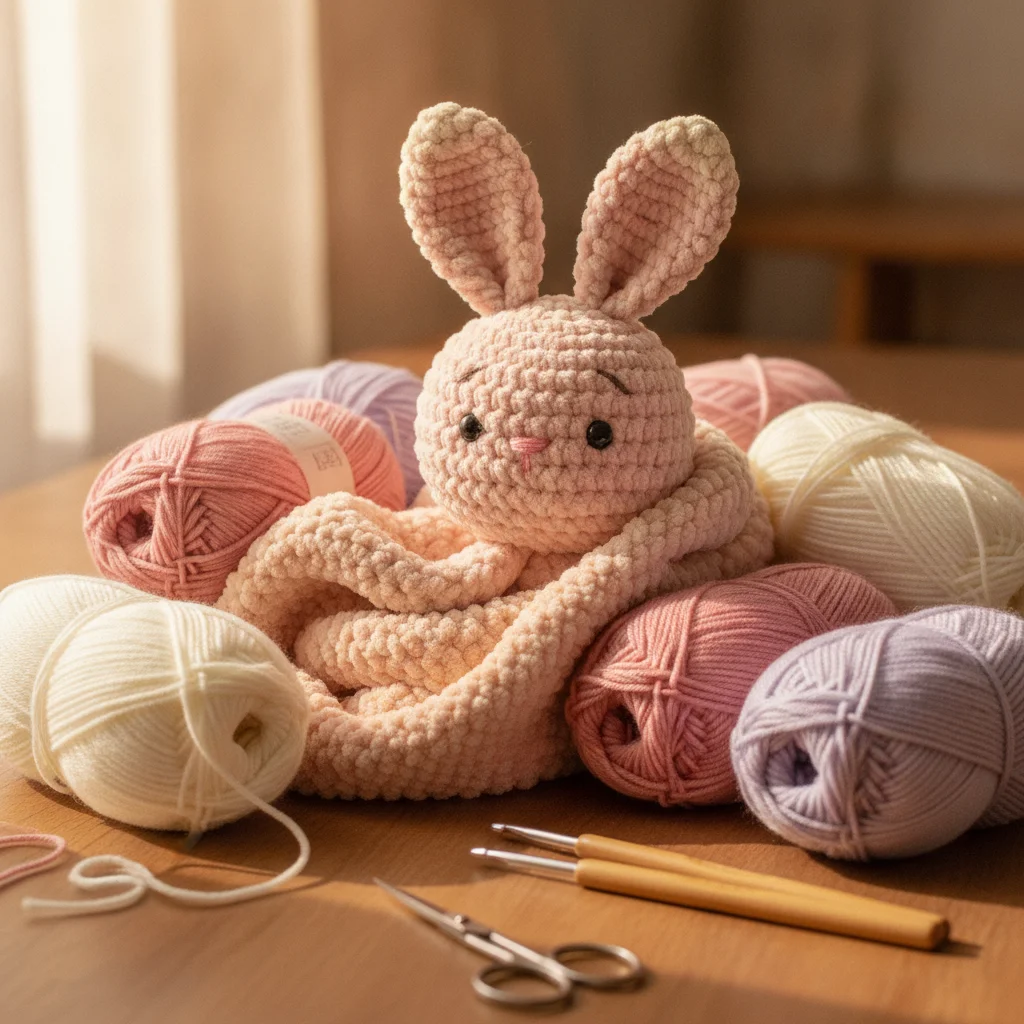
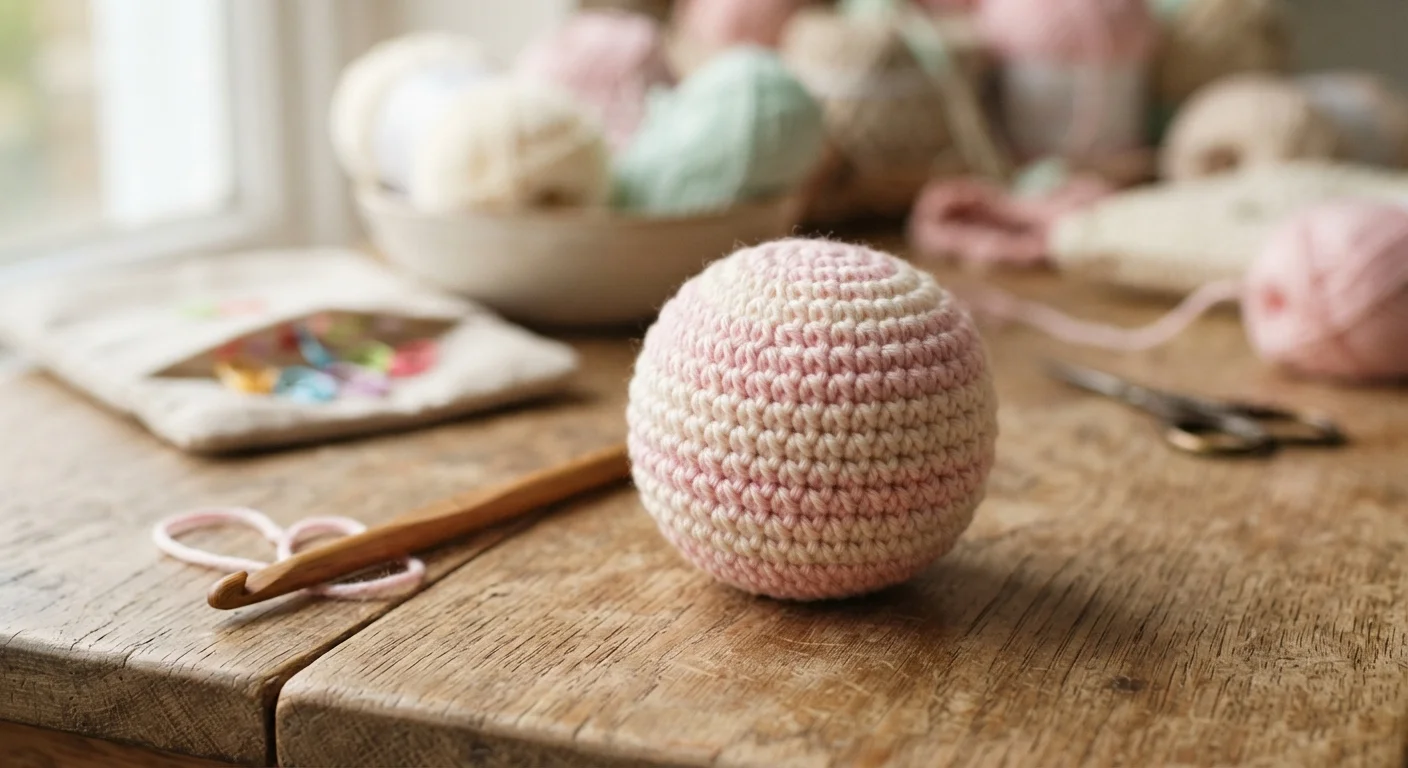
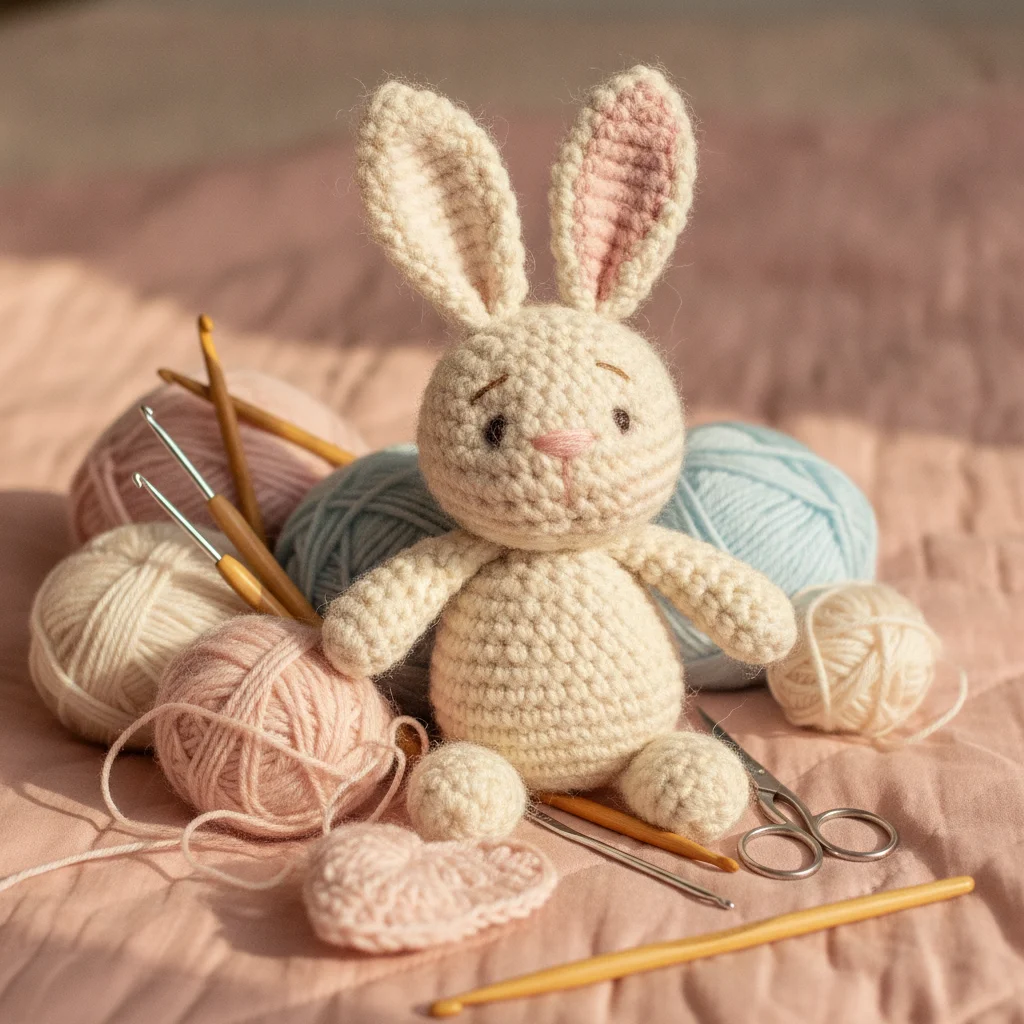
Choosing Yarn for Amigurumi: The First Step to Bringing Your Toy to Life
The success of your amigurumi project starts with choosing the right yarn. Discover the properties of different yarn types, from cotton to acrylic, and which are best for amigurumi. Find tips to enhance your toy's…
Choosing Yarn for Amigurumi: The First Step to Bringing Your Toy to Life
Hello fellow crafters! Welcome to the Ayla Wan Gurumi blog. One of the most important decisions we face when stepping into the world of amigurumi or starting a new project is choosing the right yarn. Yarn selection directly impacts not only the look of your toy but also its texture, durability, and even the enjoyment you get from the crafting process. Let's explore together what to look for when choosing yarn for amigurumi.
Why is Yarn Selection So Crucial?
Amigurumi toys are typically crocheted with tight stitches, so the yarn's properties play a key role in maintaining the toy's shape, preventing stuffing from showing through, and overall aesthetics. The wrong yarn choice can lead to a finished product that sags, pills, or wears out quickly. The right yarn, however, will result in a long-lasting, durable, and eye-catching toy.
Types of Yarn and Their Suitability for Amigurumi
There are many different types of yarn available on the market, each with its unique advantages and disadvantages.
1. Cotton Yarns
- Characteristics: Natural, breathable, hypoallergenic, and can have vibrant colors. Mercerized cotton often offers a smooth, slightly lustrous finish.
- For Amigurumi: One of the most popular choices for making toys for babies and children. When crocheted tightly, it holds its shape well and prevents the stuffing from showing. It's washable and durable.
- Things to Consider: It has less stretch, which can make crocheting a bit more tiring.
2. Acrylic Yarns
- Characteristics: Synthetic, affordable, offers a wide range of colors, lightweight, and easy to care for. A good alternative for those with allergies.
- For Amigurumi: A fantastic option for beginners. Its soft texture makes it easy to crochet with, and you can easily follow your stitches. It offers great value for money.
- Things to Consider: Some acrylics can pill over time or generate static electricity. Choosing good quality acrylic is important.
3. Cotton-Acrylic Blend Yarns
- Characteristics: Combines the natural feel and durability of cotton with the softness and easy-care properties of acrylic.
- For Amigurumi: A versatile option as it offers the best features of both types. Ideal for both beginners and experienced crocheters.
- Things to Consider: Properties can vary depending on the blend ratio.
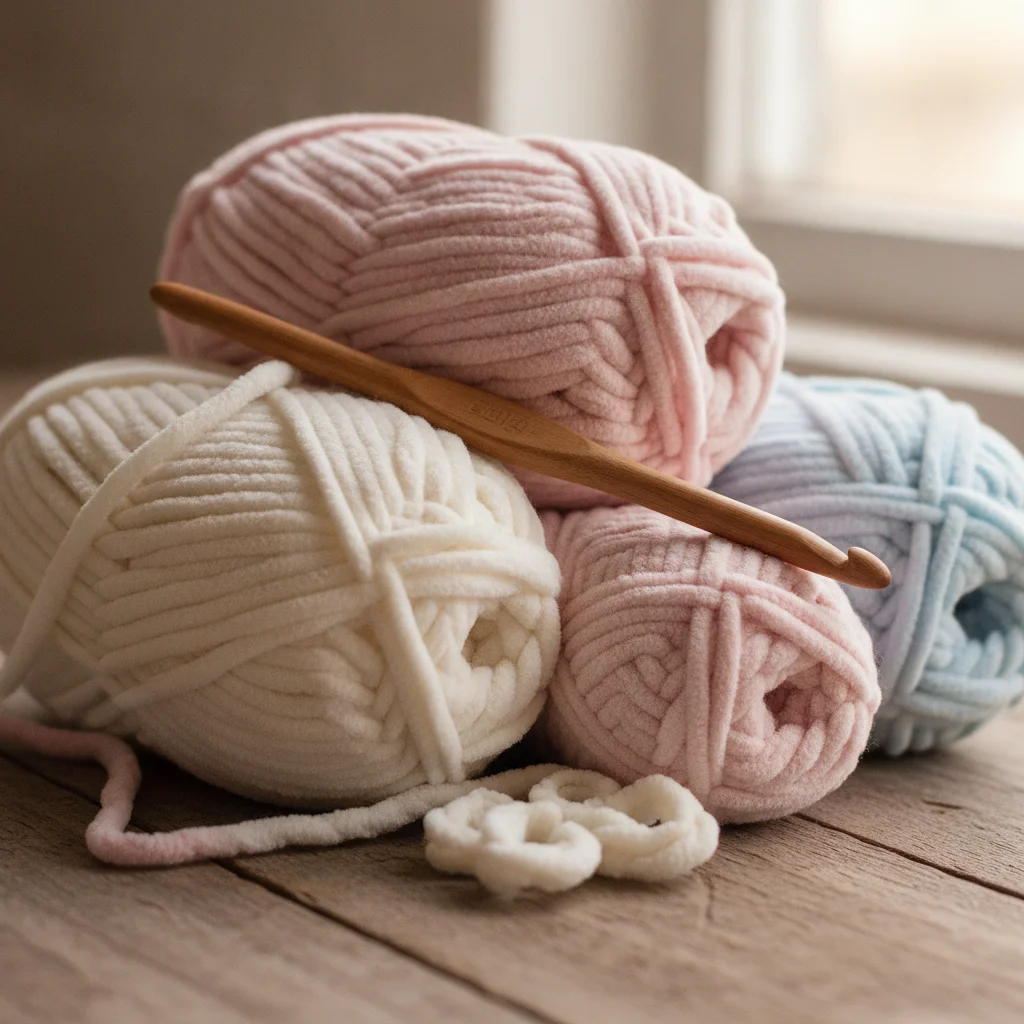
4. Velvet Yarns
- Characteristics: Ultra-soft, fluffy, and has a plush texture.
- For Amigurumi: Great for large, huggable, and very soft toys. Especially ideal for babies.
- Things to Consider: Stitches can be difficult to see, so it's more suitable for experienced crocheters. Stuffing might show through if not crocheted tightly enough.
5. Wool Yarns
- Characteristics: Natural, warm, and elastic.
- For Amigurumi: Not very commonly used because it can pill and may cause itching for sensitive skin. However, it can be used for special projects.
- Things to Consider: Pay attention to washing instructions, as it can shrink.
Yarn Weight and Hook Selection
The weight (thickness) of the yarn directly affects the final size and texture of your amigurumi toy.
- Fingering/Sport Weight: Ideal for smaller, more detailed toys. You'll need to use a smaller hook size accordingly (typically 1.5-2.5 mm).
- DK/Worsted Weight: The most commonly used weight for amigurumi. Most patterns are designed for yarns of this thickness. Usually worked with a 2.5-3.5 mm hook.
- Chunky/Bulky Weight: Suitable for larger and faster-to-finish projects. Requires larger hooks (4.0 mm and above).
Tip: For amigurumi, we usually use a crochet hook 0.5-1 size smaller than what is recommended on the yarn label. This ensures tighter stitches and prevents the stuffing from showing through.
Other Important Factors
- Colorfastness: Especially important if you're using multiple colors or planning to wash the toy. Opt for reliable brands to prevent colors from bleeding.
- Texture: Smooth yarns show details more clearly, while fuzzy yarns provide a softer look. For babies, choose lint-free and low-shedding yarns.
- Durability and Washability: Since amigurumi toys are often played with and get dirty, choosing durable and machine-washable yarns (especially cotton and acrylic) will be practical.
- Safety Certifications: If you're making toys for babies or small children, you should choose yarns with safety certifications like Oeko-Tex Standard 100, which are free from harmful substances.
Yarn Recommendations for Beginners
If you're new to amigurumi:
- Opt for cotton or cotton-acrylic blend yarns. They are comfortable to work with, and the results are usually satisfying.
- Choose medium-weight (DK or Worsted) yarns. They make it easier to follow your stitches.
- Prefer lighter colors. It can be challenging to see stitches in darker yarns.
- Start with smooth-textured yarns. Velvet or fuzzy yarns are generally more suitable for advanced crocheters.
Yarn selection is an enjoyable part of your amigurumi journey. Remember that each project has its unique needs, and don't hesitate to experiment with different yarns. Over time, you'll discover through your own experience which yarn is best suited for which project.
Remember, love and care are woven into every stitch! Infuse your own spirit into every toy you crochet.
Don't forget to follow us on Instagram for more tips and inspiration: @aylawangurumi